The EU is reopening its fishing rulebook

With these changes of rules, sharks and rays could pay the price.
- In May 2026 the European Commission launched a "Fisheries Omnibus"
- That means a change of rules that decide how much gets taken out of Europe's seas
- Why this matters for sharks and rays and how you can add your voice
Brussels is quietly reopening the rules that decide how much gets taken out of Europe’s seas. In May 2026 the European Commission launched what it calls a Fisheries Omnibus, a review of the four Multiannual Plans that govern fishing in the Baltic, the North Sea, the Western Waters and the Western Mediterranean. It is presented as a technical simplification. For sharks and rays, the most overlooked casualties of European fishing, the stakes are anything but technical.
Two safeguards sit at the centre of the review. The first is the precautionary rule that requires catch limits to be set so a stock has less than a 5 percent chance of dropping below its safe biological limit. The Commission already tried to remove it in 2023, the European Parliament stopped that, and now it is back on the table. The second is the most vulnerable stock rule in the Western Mediterranean, under which the single most overfished species caps how hard the whole mixed fishery can be pushed.
Why this matters for sharks and rays?
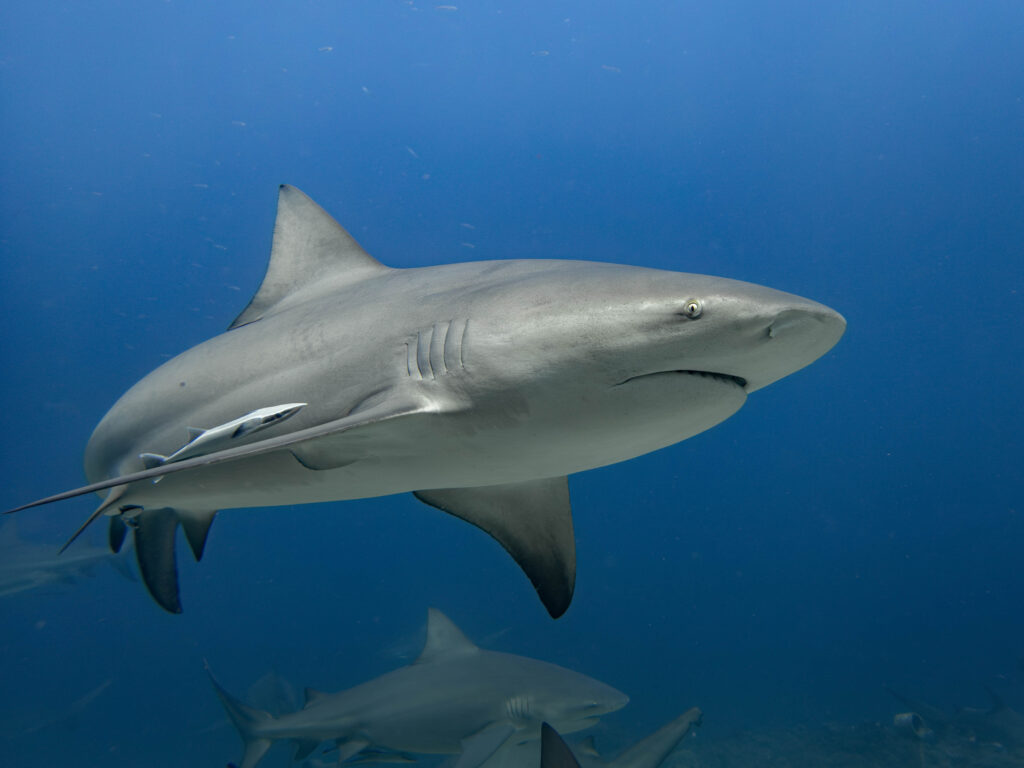
Here is why this matters for sharks and rays. They are almost never the target of these fisheries, but they end up in the same nets. In the Western Mediterranean plan they are not even listed as managed stocks; they appear only as bycatch. That makes the overall limit on fishing effort the single most important thing standing between them and even higher mortality. Loosen it, and the animals that pay first are the ones we understand least and can least afford to lose. The Mediterranean is already the most dangerous sea in the world for these species. According to the IUCN, more than half of its sharks and rays are threatened with extinction, and many are species that European and Mediterranean rules already forbid keeping on board.
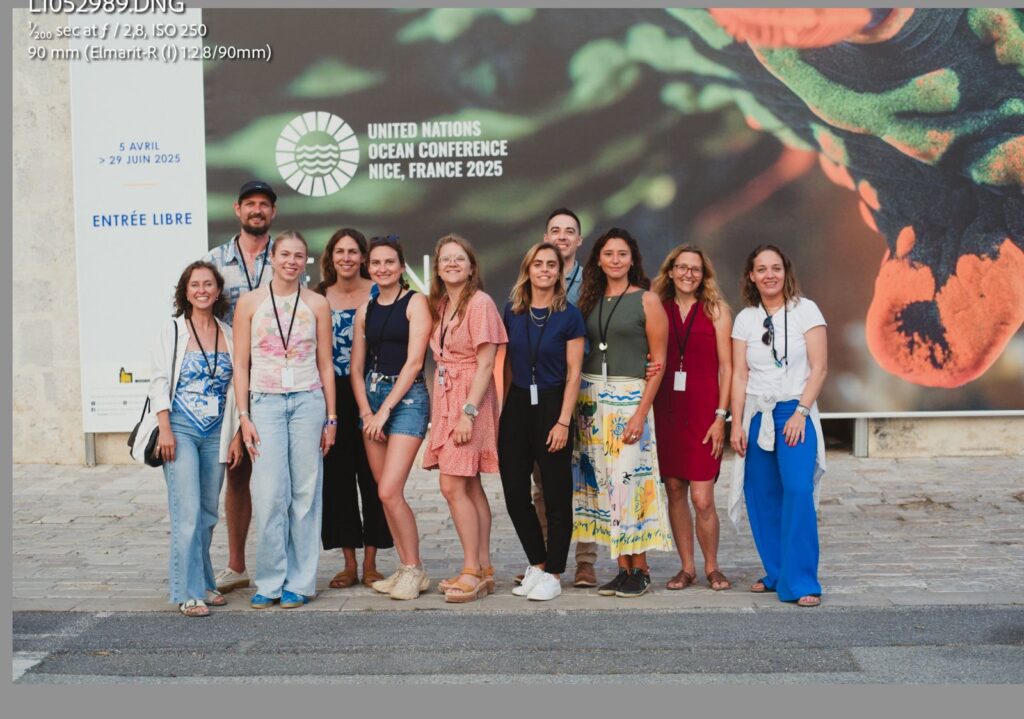
This is why Sharkproject is engaging directly in the process, together with the Seas at Risk network. Our message is straightforward. Clarify and simplify the rules if that genuinely helps, but do not lower the level of protection. Any change to the most vulnerable stock rule has to come with binding bycatch safeguards for sensitive species, and monitoring with cameras and onboard observers has to be strengthened, not cut. We are bringing the shark and ray dimension into a debate where it is otherwise entirely missing.
The encouraging part is that nothing is decided yet, and the public can weigh in. The Commission’s Have Your Say consultation is open until late June, and every well argued response counts. You can add your voice there, you can follow and share our work as the process unfolds, and you can support Sharkproject so that we can keep showing up where these decisions are actually made. Europe’s seas, and the sharks and rays in them, are worth that effort.
Dein Ansprechpartner Niclas Müller
Wir berichten über den Haischutz bleibe infomiert!


Keine Events, aktuellen Projekte, Bildungsprogramme und Neuigkeiten mehr verpassen! Melde Dich jetzt zu unserem kostenlosen Newsletter an und bleibe auf den aktuellen Stand!