Aktuelles bei SHARKPROJECT.
Erfahre hier alles über unsere Social-Media-Aktivitäten, aktuelle Blogposts, Pressemitteilungen, Projekte und vieles mehr.

Blog
In unserem Blog veröffentlichen wir regelmäßig Beiträge zu aktuellen Veranstaltungen / Events, Bildungsprogrammen und vieles mehr. Melde Dich zum Newsletter an und verpasse keinen neuen Beiträge.
Neueste Beiträge
Alle ansehen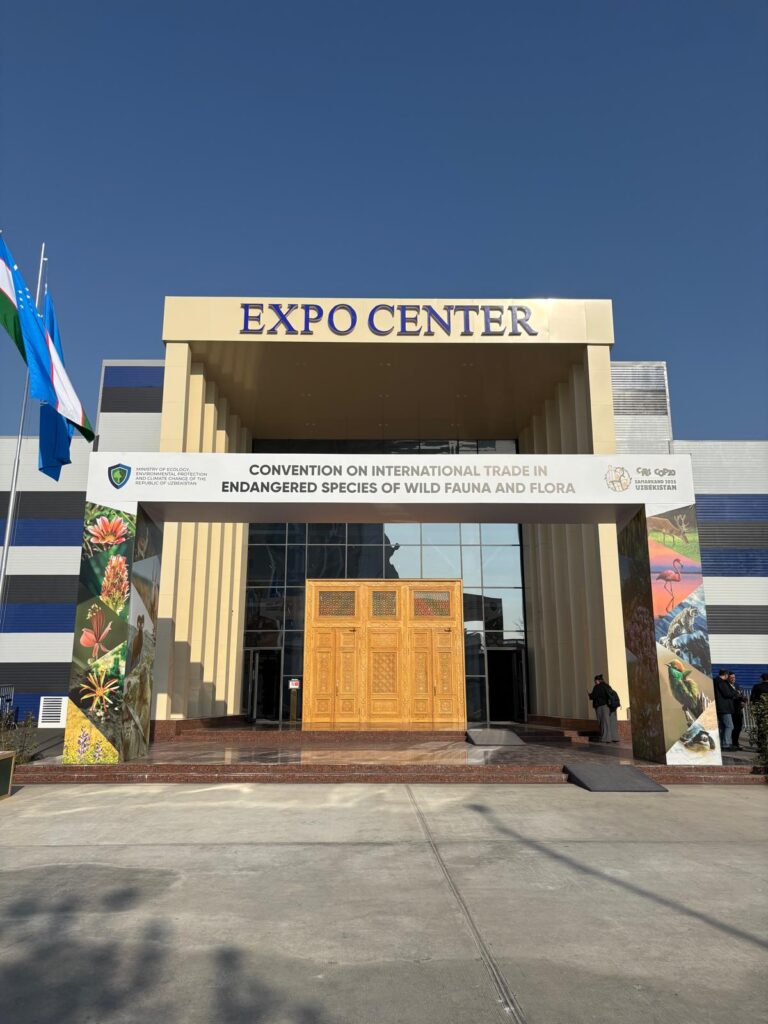
Presse
Wir von SHARKPROJECT engagieren uns seit mehr als 20 Jahren für den Hai- und Meeresschutz. Regelmäßig veröffentlichen wir Pressemitteilungen heraus, um über unsere Kampagnen, Aktivitäten und politischen Maßnahmen zu berichten.
Neueste Mitteilungen
Alle ansehen


Projekte
Wir unterstützen derzeit u.a. die folgenden Projekte:

Ansprechpartner
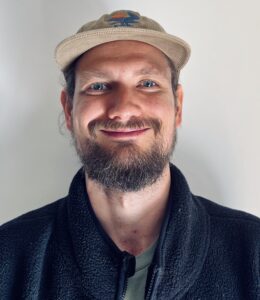
Dein Ansprechpartner Sven Wille
Bei Fragen oder anderen Anliegen kannst du dich gerne direkt an Sven wenden.
Wir berichten über den Haischutz bleibe infomiert!

Keine Events, aktuellen Projekte, Bildungsprogramme und Neuigkeiten mehr verpassen! Melde Dich jetzt zu unserem kostenlosen Newsletter an und bleibe auf den aktuellen Stand!
Social Media
Unsere Aktivitäten und interessante News teilen wir regelmäßig auf unseren Social-Media-Kanälen.
Instagram Feed
Auf Instagram folgensharkproject_international
289 5.456
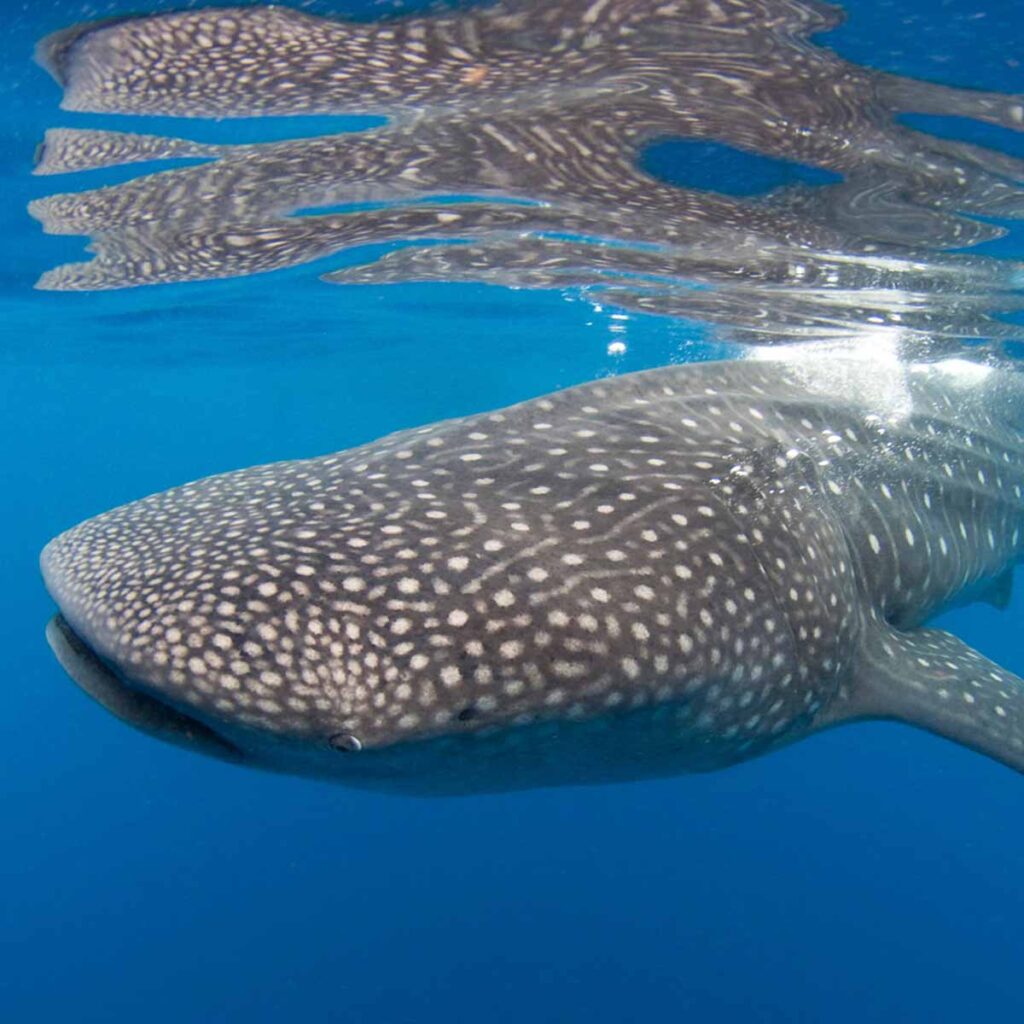
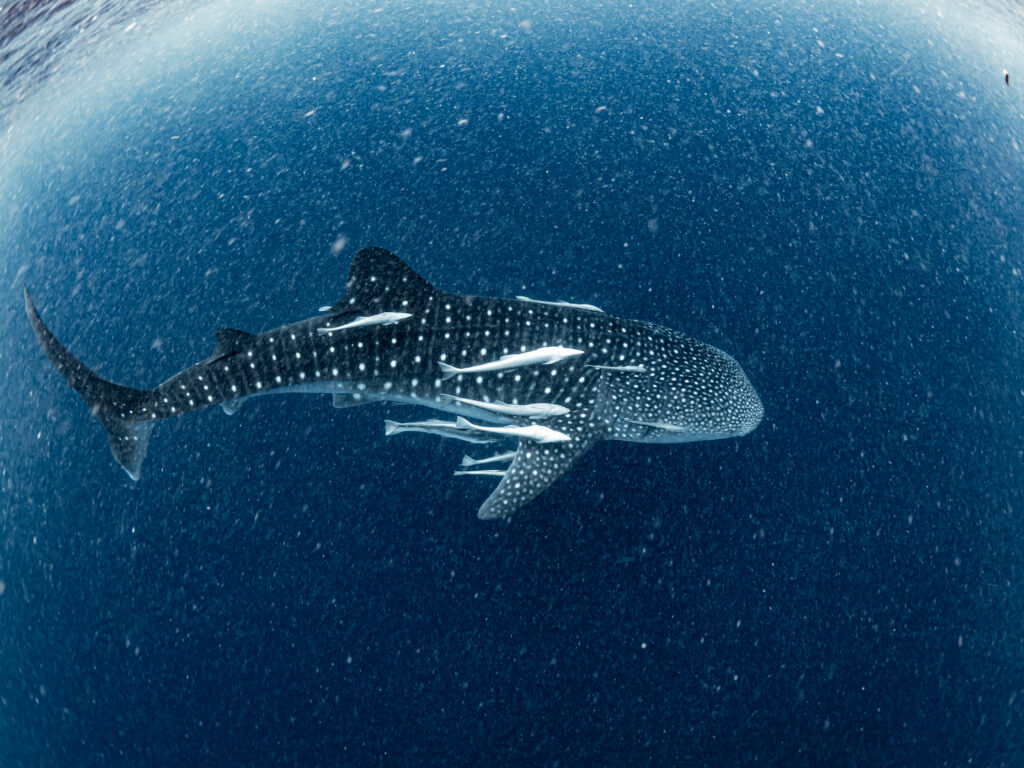
This Q&A with Hugues de Kerdrel, founder of the Mission William Project, explores the origins of the initiative, the challenges of whale shark conservation, and the vision behind this growing international effort. Read the post to learn more about how the project began and what it means for him to be named by the Explorers Club as one of the 50 Most Influential Guardians. Follow @overtheswell to stay up to date with Hugues projects🦈
#SharkConservation #OceanHealth #whalesharks #SilentSeas ProtectOurOceans ...
Imagine diving a thousand meters below the surface, where no sunlight has ever touched the water.
It`s pitch black, impossibly cold, and crushing with pressure. And yet something glows.
Scientists have discovered that several deep-sea shark species, including the kitefin shark, the blackbelly lanternshark, and the southern lanternshark, are bioluminescent. They produce their own blue-green light through a chemical reaction in specialized cells in their skin. No external source. No reflection. Just pure, self-made light in the darkest place on Earth.
But here`s what really blows my mind, we still don`t fully understand why. Some researchers believe they use it to camouflage themselves against the faint light filtering from above (a trick called counterillumination). Others think it plays a role in communication, helping sharks recognize their own species in the dark. Some even suggest it could be used to attract prey. The ocean is full of questions we haven`t figured out yet.
The deep ocean covers more than 95% of Earth`s living space, and we`ve explored less of it than we have the surface of the Moon. Creatures like these sharks are a reminder that nature`s most extraordinary secrets aren`t always found in far-off galaxies — sometimes they`re right here, quietly glowing in the dark, waiting to be discovered.
Stay curious. The world is so much stranger and more beautiful than we give it credit for. 🌊💙
#Bioluminescence #DeepSea #SharkScience #Sharkproject #MarineBiology ...
This just happened.
Last week, at the UN’s CMS COP15 conference in Campo Grande, Brazil, both the great hammerhead (Sphyrna mokarran) and scalloped hammerhead (Sphyrna lewini), amongst other species, were uplisted to CMS Appendix I — the highest level of protection the Convention offers.
Here’s why that matters and how we got here.
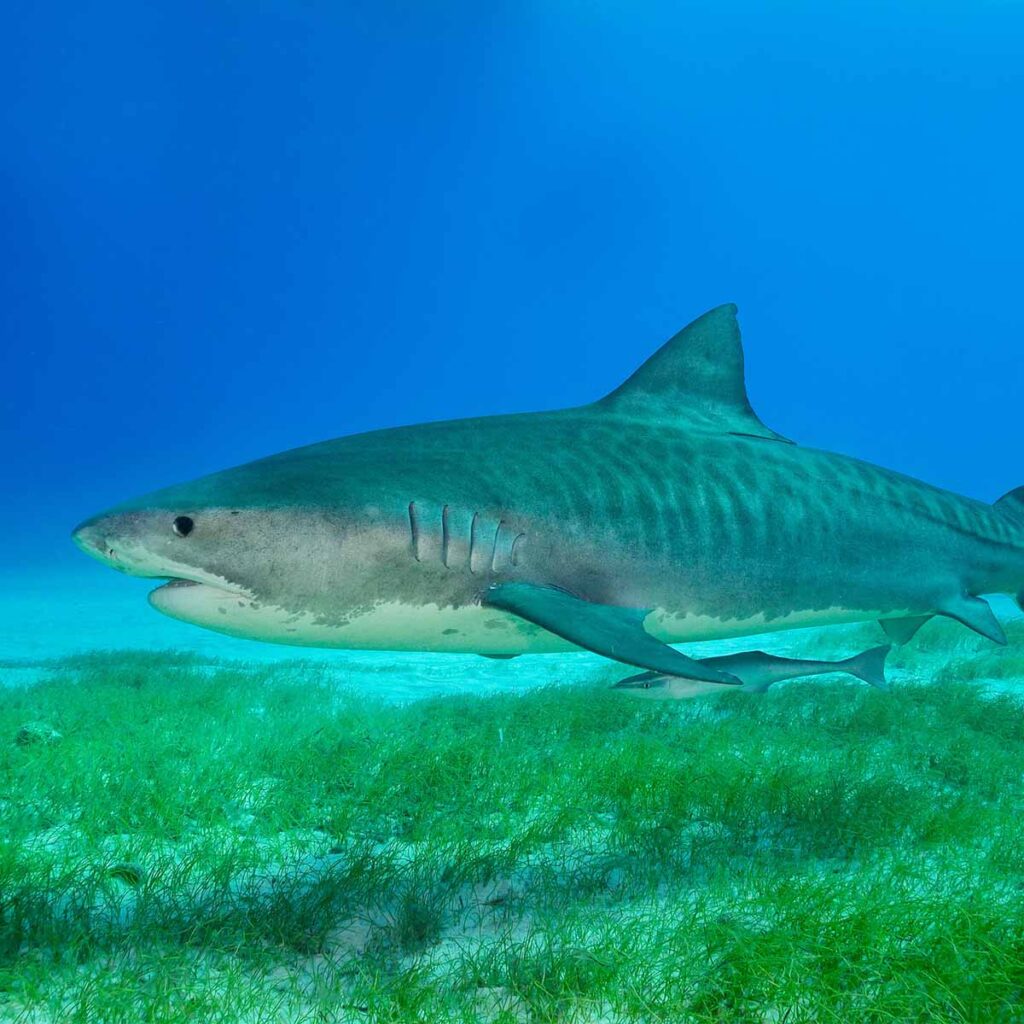
Hammerhead populations have suffered population declines of 60–99%, driven by the high value of their fins and their vulnerability at every life stage. They’re slow to grow, slow to reproduce, and their migratory nature means they pass through the waters of multiple nations, making them nearly impossible to protect through single-country action alone.
As far back as 2014, great and scalloped hammerheads were placed on CMS Appendix II, which encouraged cooperation but fell short of mandating protection.
It was a start — but not enough.
This time, Ecuador brought the uplisting proposals to COP15, backed by Panama, the EU, Brazil, Kenya, Norway, Fiji, and many more. The vote passed with near consensus.
But here’s the gap that remains. CMS Appendix I prohibits the taking of listed species by Range States, but exceptions exist, and crucially, it does not govern international trade in fins. Fins still cross borders through countries not bound by these rules.
The next frontier is CITES Appendix I, which would close that trade gap globally.
CMS acted. Now CITES must.
We’re working on something to push this further. Stay close. Follow @hammerheadcoalition
#sharkproject #hammerheads #CMSCop15 #Sharksofinstagram #Savethesharks ...