Aktuelles bei SHARKPROJECT.
Erfahre hier alles über unsere Social-Media-Aktivitäten, aktuelle Blogposts, Pressemitteilungen, Projekte und vieles mehr.

Blog
In unserem Blog veröffentlichen wir regelmäßig Beiträge zu aktuellen Veranstaltungen / Events, Bildungsprogrammen und vieles mehr. Melde Dich zum Newsletter an und verpasse keinen neuen Beiträge.
Neueste Beiträge
Alle ansehen
Presse
Wir von SHARKPROJECT engagieren uns seit mehr als 20 Jahren für den Hai- und Meeresschutz. Regelmäßig veröffentlichen wir Pressemitteilungen heraus, um über unsere Kampagnen, Aktivitäten und politischen Maßnahmen zu berichten.
Neueste Mitteilungen
Alle ansehen


Projekte
Wir unterstützen derzeit u.a. die folgenden Projekte:

Ansprechpartner

Dein Ansprechpartner Sven Wille
Bei Fragen oder anderen Anliegen kannst du dich gerne direkt an Sven wenden.
Wir berichten über den Haischutz bleibe infomiert!

Keine Events, aktuellen Projekte, Bildungsprogramme und Neuigkeiten mehr verpassen! Melde Dich jetzt zu unserem kostenlosen Newsletter an und bleibe auf den aktuellen Stand!
Social Media
Unsere Aktivitäten und interessante News teilen wir regelmäßig auf unseren Social-Media-Kanälen.
Instagram Feed
Auf Instagram folgensharkproject_international
285 5.411
Pollution doesn’t always look like an oil carpet. Sometimes it sounds like a motorboat. 🌊
We talk a lot about plastic and overfishing. But there’s a growing threat to our oceans that’s almost entirely invisible and it’s one we’re only beginning to understand. Noise pollution is now recognised as a global ocean pollutant, and the early evidence suggests sharks may be among its hidden victims.
Sharks have extraordinary hearing systems that evolved over hundreds of millions of years for a much quieter ocean than the one we’ve created. And as shipping traffic grows, commercial activity expands, and our coastlines get busier, that ocean is getting louder every year.
We don’t yet have all the answers, the science is still young and we know very little about how sound influences sharks. But the pattern emerging from the research that does exist is concerning enough to act on.
Swipe through to find out what we know, what we don’t, and why it matters.
We’re taking these concerns directly to the policymakers who have the power to change things and we need your support to do it. Link in bio. 🦈
#SharkConservation #OceanHealth #NoisePollution #SilentSeas #ProtectOurOceans ...
Today we are sharing something that is changing the way scientists monitor endangered sharks.
Researchers are now able to detect critically endangered shark species from nothing more than a water sample. By analysing environmental DNA shed by sharks as they move through the ocean, scientists can confirm presence without ever seeing, catching, or disturbing a single animal.
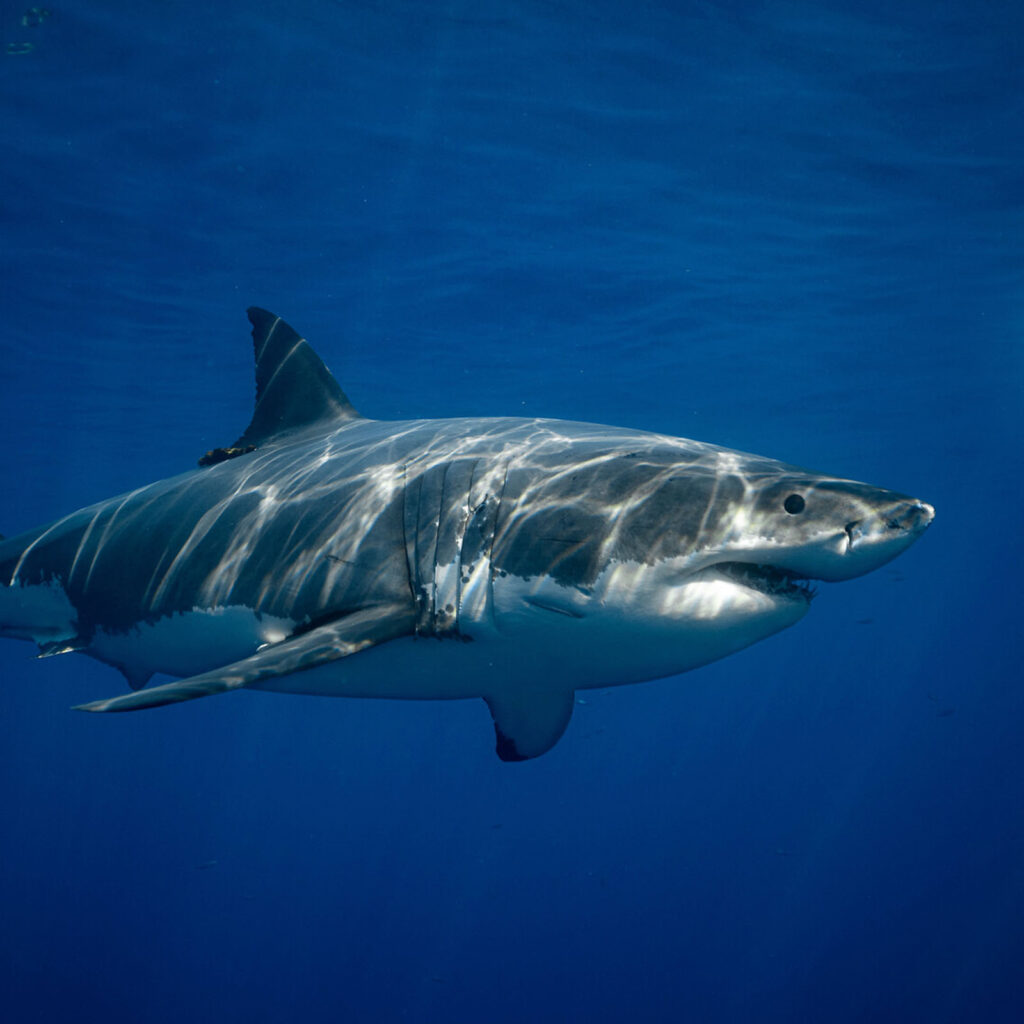
Three recent studies demonstrate just how powerful this tool has become. In the Chagos Archipelago, eDNA metabarcoding revealed ten elasmobranch species from water samples alone, including a devil ray potentially never before recorded in the area. In Colombia, species-specific assays detected three critically endangered hammerhead sharks inside a national park, two of which hadn’t been seen for a long time. And in the Mediterranean, researchers used particle drift modeling to trace where critically endangered white sharks had been up to 128 hours before the sample was even collected.
This science matters because for species too rare to survey by conventional means, eDNA may be the only realistic way to generate the data that informs protection measures.
The full breakdown of all three studies is in our carousel above, with citations on the bottom left side. If you would like to get more information, check out the papers!
DOI 1: doi.org/10.1093/zoolinnean/zlac014
DOI 2: doi.org/10.3389/fmars.2025.1688088
DOI 3: doi.org/10.5670/oceanog.2023.s1.28
🌊 Better data means better protection for the sharks
#SharkConservation #MarineScience #EndangeredSharks #OceanConservation #Sharkproject ...
Today we are sharing an incredible new scientific discovery.
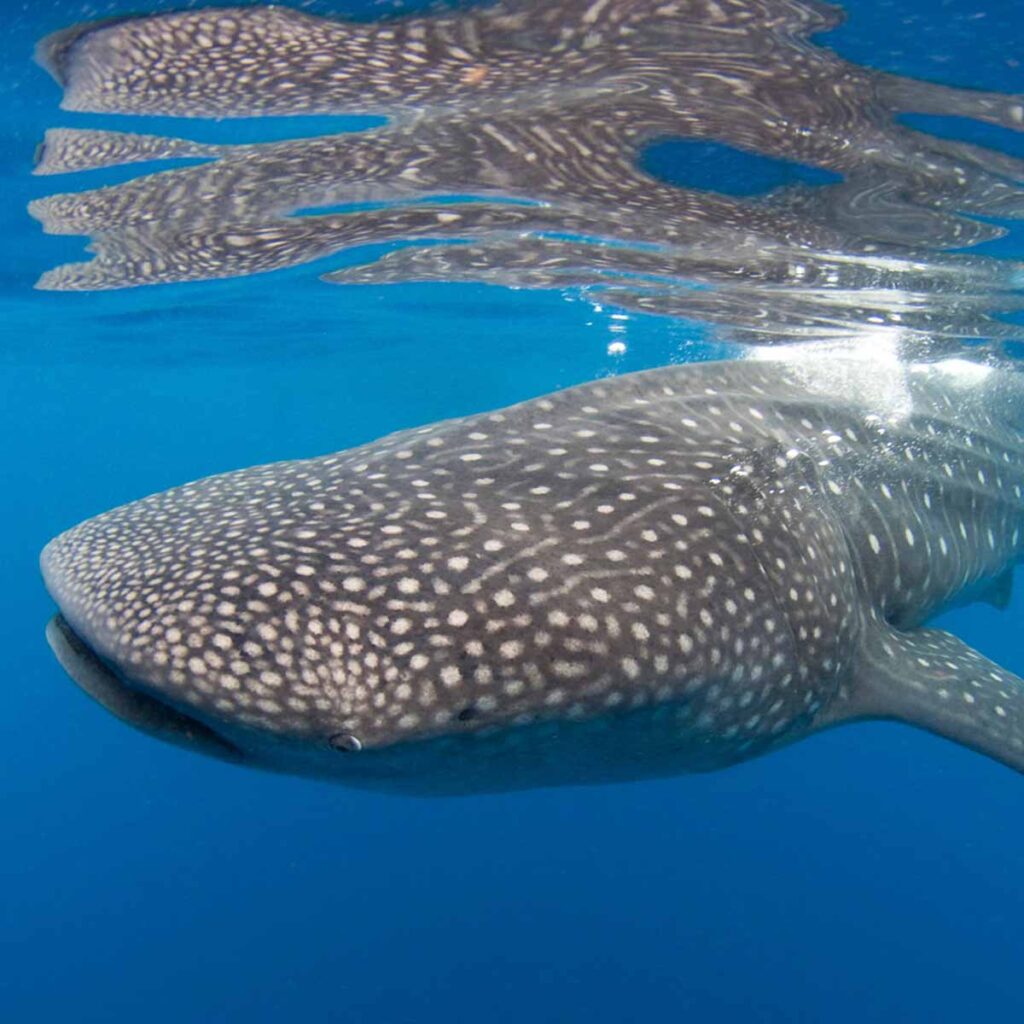
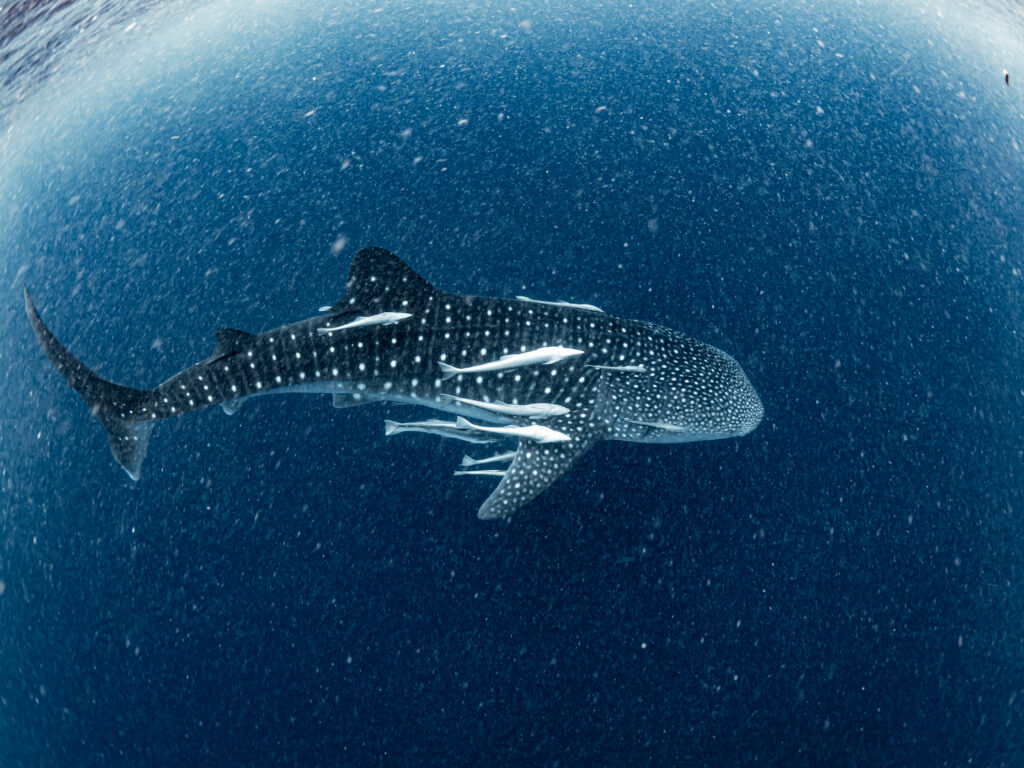
Researchers have confirmed the first documented whale shark movement between Madagascar and Seychelles, showing that these gentle giants travel more than 1,200 km across national boundaries.
A juvenile male first recorded off Nosy Be (Madagascar) in 2019 was resighted in Mahé (Seychelles) in 2025, providing rare evidence that whale sharks in the western Indian Ocean form a shared transboundary population.
This finding highlights how important international collaboration and long-term monitoring are for understanding and protecting endangered species.
The discovery was made possible through collaboration between the Madagascar Whale Shark Project and the Marine Conservation Society Seychelles.
The Madagascar Whale Shark Project is supported by Sharkproject, helping advance research and conservation for the world’s largest fish.
Protecting them requires cooperation across borders, just like the journey of this incredible shark.
If you would like to support conservation efforts like this, consider donating to Sharkproject.
🌊 Together we can protect whale sharks.
#WhaleShark #MarineConservation #OceanConservation #SharkScience #sharkproject ...