SHARKPROJECT News.
Find out all about our social media activities, latest blog posts, press releases, projects and much more.

Blog
In our blog, we frequently publish articles on current events, educational programs, projects and much more. Sign up to our newsletter and don’t miss any new publication.
Latest posts
View all
Press
At SHARKPROJECT, we have been committed to shark and marine conservation for more than 20 years. We regularly publish press releases to report on our campaigns, activities and political work.
Latest releases
View all


Projects
We currently supporting the following projects among others:


Contact

your contact person Sven Wille
If you have any questions or other concerns, please feel free to contact Sven from SHARKPROJECT directly.
We report on Shark protection stay informed!

Don’t miss any events, current projects, educational programs and news! Sign up for our free newsletter and stay up to date!
Social Media
We regularly share our activities and interesting news on our social media channels.
Instagram Feed
Follow on Instagramsharkproject_international
287 5,429
This just happened.
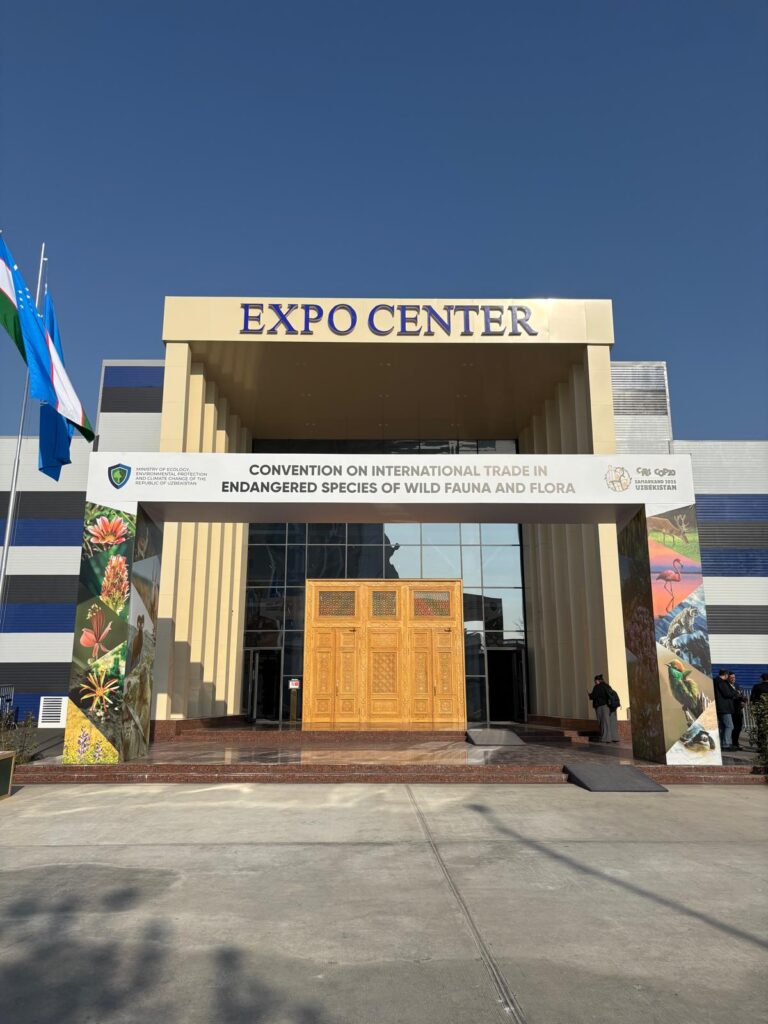
Last week, at the UN’s CMS COP15 conference in Campo Grande, Brazil, both the great hammerhead (Sphyrna mokarran) and scalloped hammerhead (Sphyrna lewini), amongst other species, were uplisted to CMS Appendix I — the highest level of protection the Convention offers.
Here’s why that matters and how we got here.
Hammerhead populations have suffered population declines of 60–99%, driven by the high value of their fins and their vulnerability at every life stage. They’re slow to grow, slow to reproduce, and their migratory nature means they pass through the waters of multiple nations, making them nearly impossible to protect through single-country action alone.
As far back as 2014, great and scalloped hammerheads were placed on CMS Appendix II, which encouraged cooperation but fell short of mandating protection.
It was a start — but not enough.
This time, Ecuador brought the uplisting proposals to COP15, backed by Panama, the EU, Brazil, Kenya, Norway, Fiji, and many more. The vote passed with near consensus.
But here’s the gap that remains. CMS Appendix I prohibits the taking of listed species by Range States, but exceptions exist, and crucially, it does not govern international trade in fins. Fins still cross borders through countries not bound by these rules.
The next frontier is CITES Appendix I, which would close that trade gap globally.
CMS acted. Now CITES must.
We’re working on something to push this further. Stay close. Follow @hammerheadcoalition
#sharkproject #hammerheads #CMSCop15 #Sharksofinstagram #Savethesharks ...
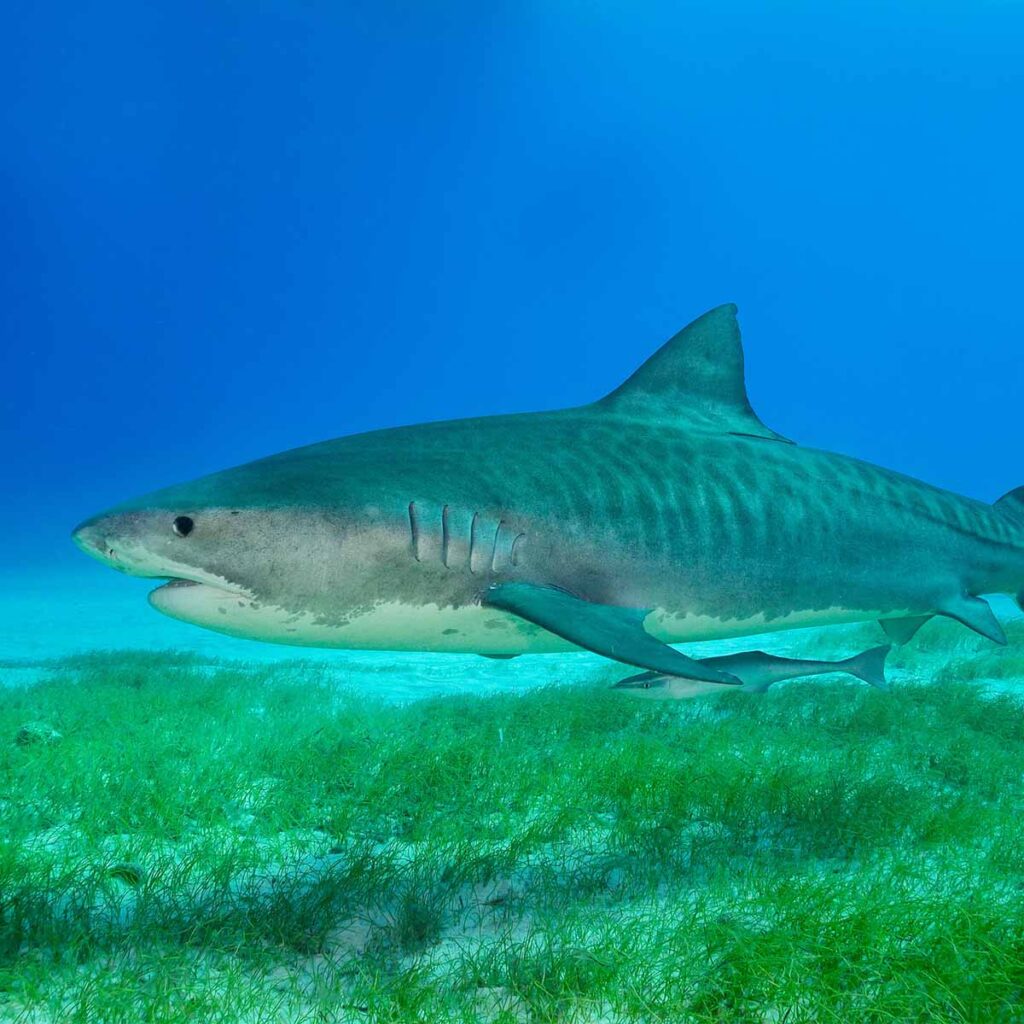
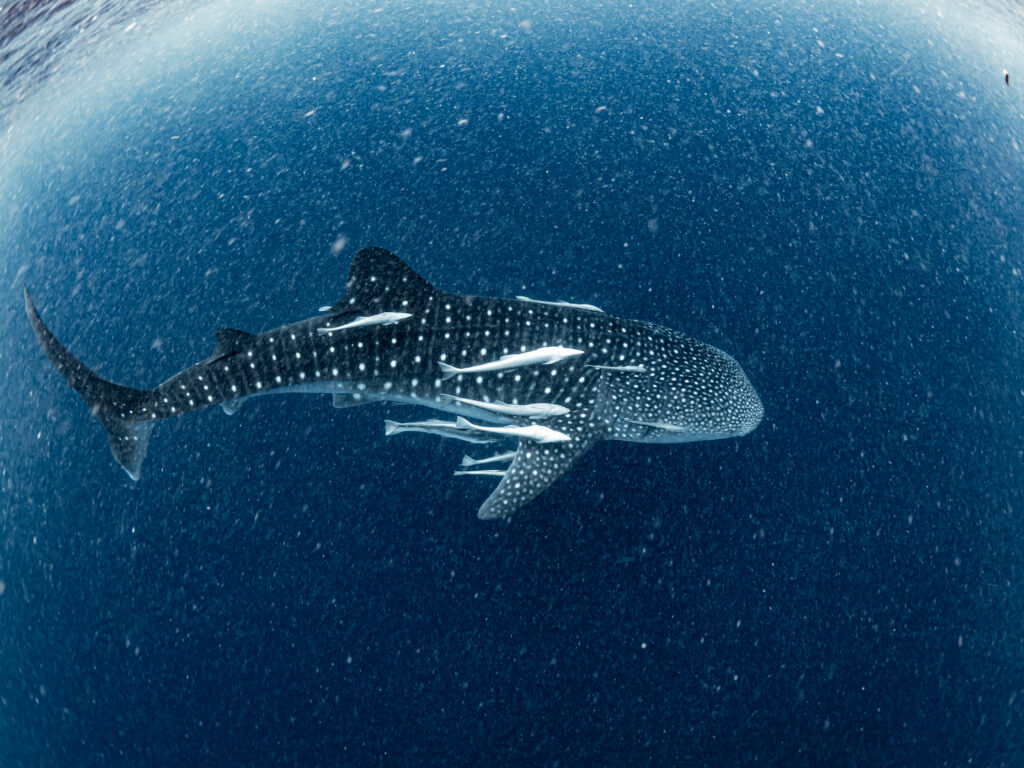
This post dives deep into the relationship between sharks and remoras, and it might just change everything you thought you knew about it. 🦈
We grow up learning mutualism, commensalism and parasitism like they’re clean, fixed categories. But the reality? It’s way more complicated than that. Some sharks experience all three, and the remora sits right at the centre of the debate.
Turns out, where a remora attaches on a shark’s body makes a huge difference. Certain spots are low drag and high reward. Others? A measurable cost for the shark. The same animal can be a helpful companion or a quiet burden depending on exactly where it’s holding on.
And the hitchhiking effect goes further than most people realise. Remoras aren’t just passengers, they’re participants, moving through ecosystems alongside their hosts in ways that ripple outward.
Researchers now describe remora symbiosis not as a single relationship type, but as a “spectrum of fitness consequences that shifts through space and time.” In other words, it depends. And that nuance matters.
Because if we want to conserve sharks, we have to understand the full picture. That includes every species that travels with them. 🌊
📖 Gayford, J. H. (2024). The multidimensional spectrum of eco‐evolutionary relationships between sharks and remoras. Journal of Fish Biology.
#sharkproject #sharkandremora #savesharks #sharksofinstagram #symbiosis ...
Pollution doesn’t always look like an oil carpet. Sometimes it sounds like a motorboat. 🌊
We talk a lot about plastic and overfishing. But there’s a growing threat to our oceans that’s almost entirely invisible and it’s one we’re only beginning to understand. Noise pollution is now recognised as a global ocean pollutant, and the early evidence suggests sharks may be among its hidden victims.
Sharks have extraordinary hearing systems that evolved over hundreds of millions of years for a much quieter ocean than the one we’ve created. And as shipping traffic grows, commercial activity expands, and our coastlines get busier, that ocean is getting louder every year.
We don’t yet have all the answers, the science is still young and we know very little about how sound influences sharks. But the pattern emerging from the research that does exist is concerning enough to act on.
Swipe through to find out what we know, what we don’t, and why it matters.
We’re taking these concerns directly to the policymakers who have the power to change things and we need your support to do it. Link in bio. 🦈
#SharkConservation #OceanHealth #NoisePollution #SilentSeas #ProtectOurOceans ...