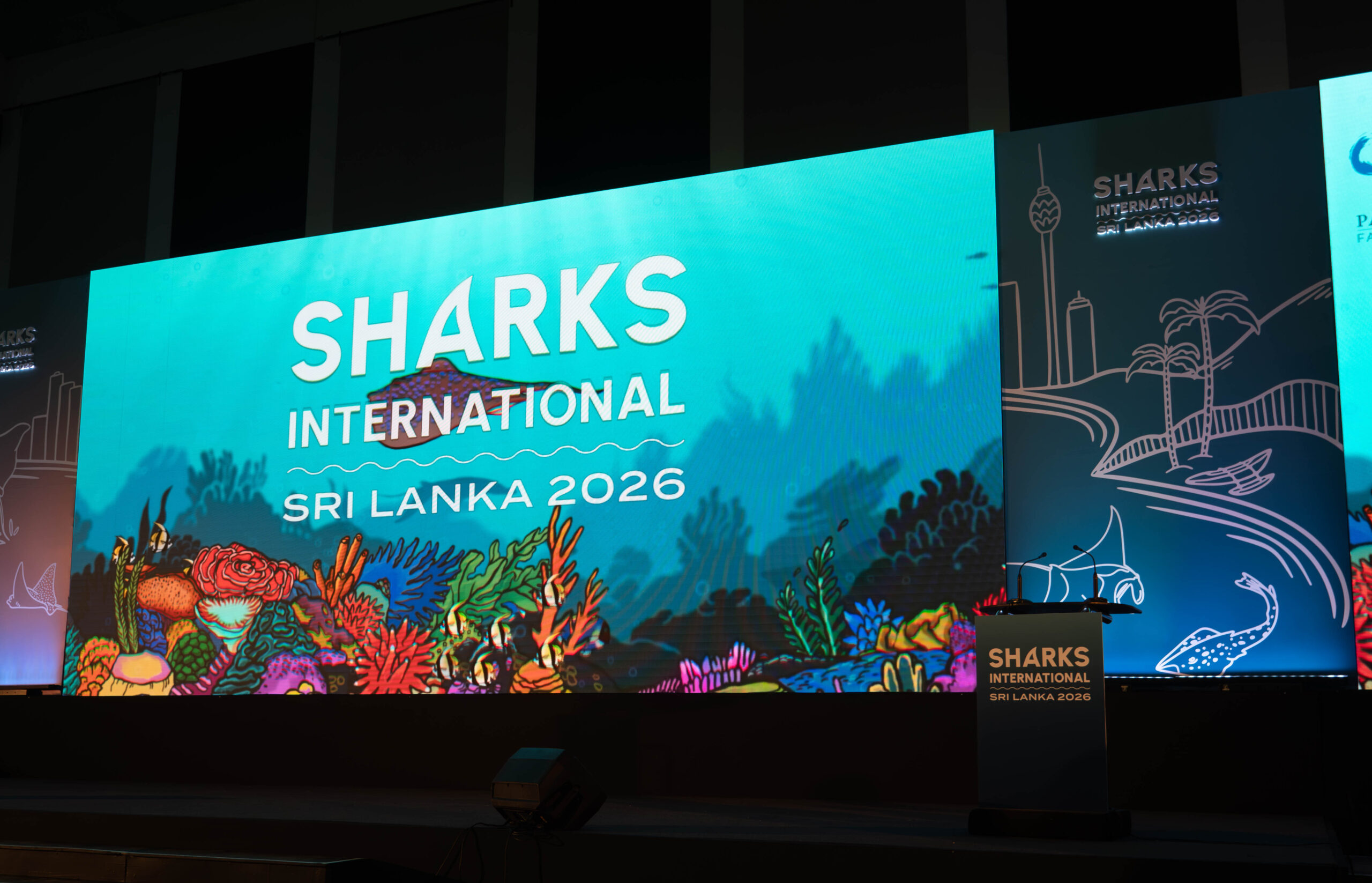
Sharks International 2026 in Sri Lanka

The key messages from the Sharks International 2026 in Sri Lanka
- It's the world’s largest scientific conference dedicated to sharks, rays, and chimaeras
- More than 800 participants from over 80 countries came together in Colombo, Sri Lanka
- One of the key messages: The problem is no longer only a lack of data
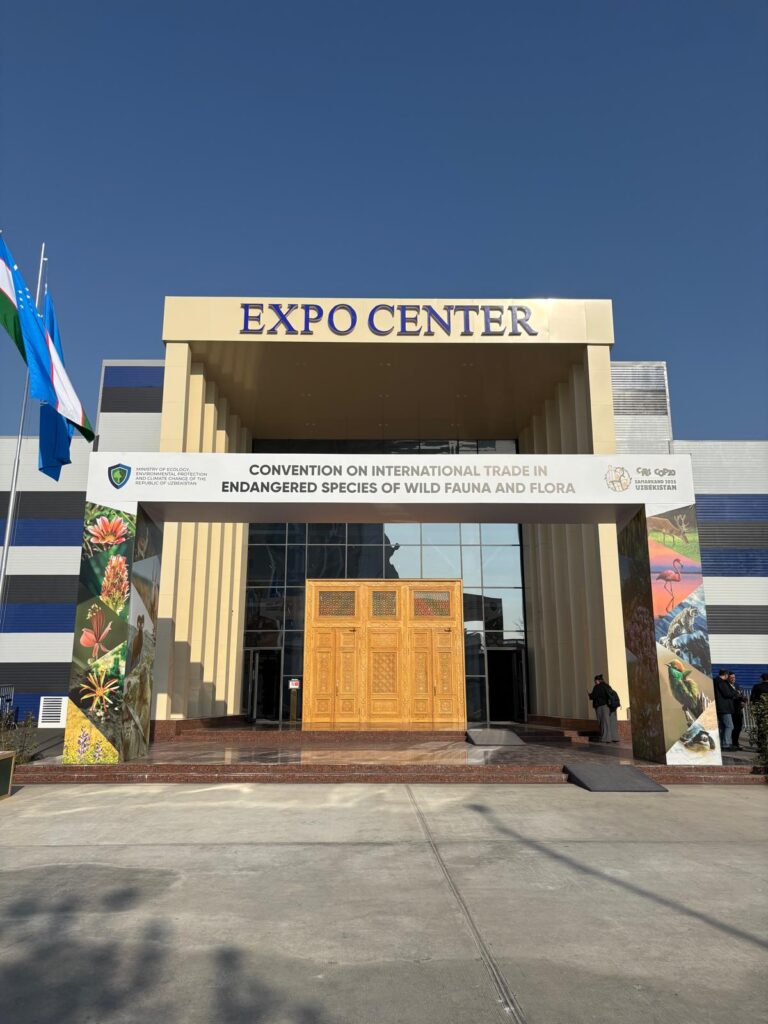
From 4th – 8th of May, Sharks International 2026 took place in Sri Lanka – the world’s largest scientific conference dedicated to sharks, rays, and chimaeras.
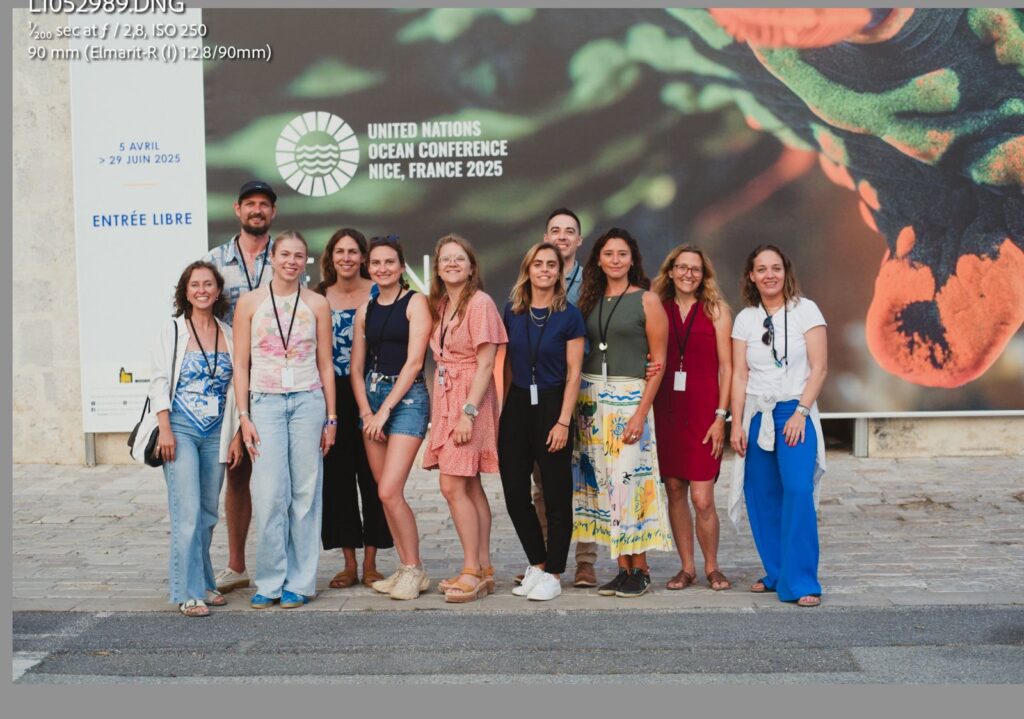
More than 800 participants from over 80 countries came together in Colombo, including scientists, conservationists, policymakers, fisheries experts, educators, advocates, and shark enthusiasts from across the globe. Over five packed days, the conference became a meeting point for exchanging ideas, presenting new research, and discussing one critical question:
How do we actually save sharks?
The topics covered were incredibly diverse. Talks ranged from shark movement ecology and deep-sea species research to manta ray conservation, fisheries management, wildlife trade, climate change, and the implementation of international policy. With more than 600 talks and presentations, it would be impossible to summarise everything, but several strong themes emerged again and again throughout the week.
And some of them could not have been clearer.
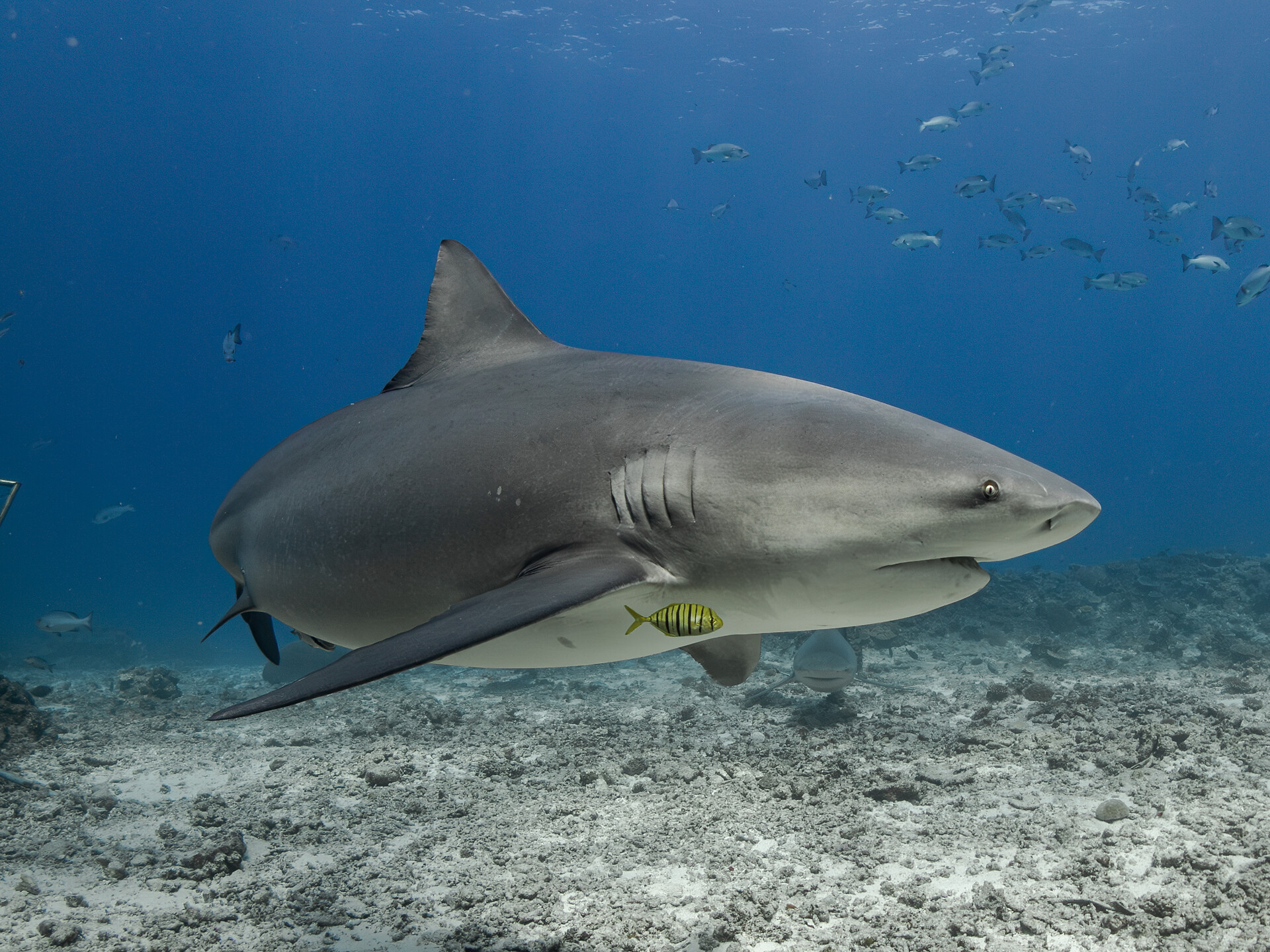
Photocredit: Jan Bierwirth
The problem is no longer only a lack of data
One of the strongest messages throughout the conference was that shark conservation is no longer primarily limited by a lack of scientific information.
In many cases, we already know what the problems are. We know where critical habitats are. We know which species are declining. We know that overfishing, bycatch, and the international fin and meat trade continue to drive population collapses.
The real challenge now is turning knowledge into action.
The message from the scientific community was clear:
Collecting more data alone will not save sharks if governments and international institutions fail to act on the information we already have.
The global south is now at the centre of shark conservation
Many of the world’s most important shark and ray hotspots overlap with regions where fisheries are essential for food security, livelihoods, and local economies. Countries across South and Southeast Asia, Africa, and parts of Latin America are simultaneously home to extraordinary marine biodiversity and some of the world’s highest fishing pressure.
At the same time, many of these regions face enormous challenges:
- limited fisheries monitoring
- weak enforcement capacity
- lack of funding
- insufficient regulatory frameworks
- and strong economic dependence on marine resources.
This creates an extremely difficult conservation reality.
It is easy to demand stricter protection measures from the outside. It is much harder when entire coastal communities depend directly on shark fisheries to survive.
Presentations from Bangladesh, India, Gabon, Indonesia, Sri Lanka, Venezuela, and West Africa repeatedly emphasized that shark conservation cannot succeed unless it is also socially fair and economically realistic.
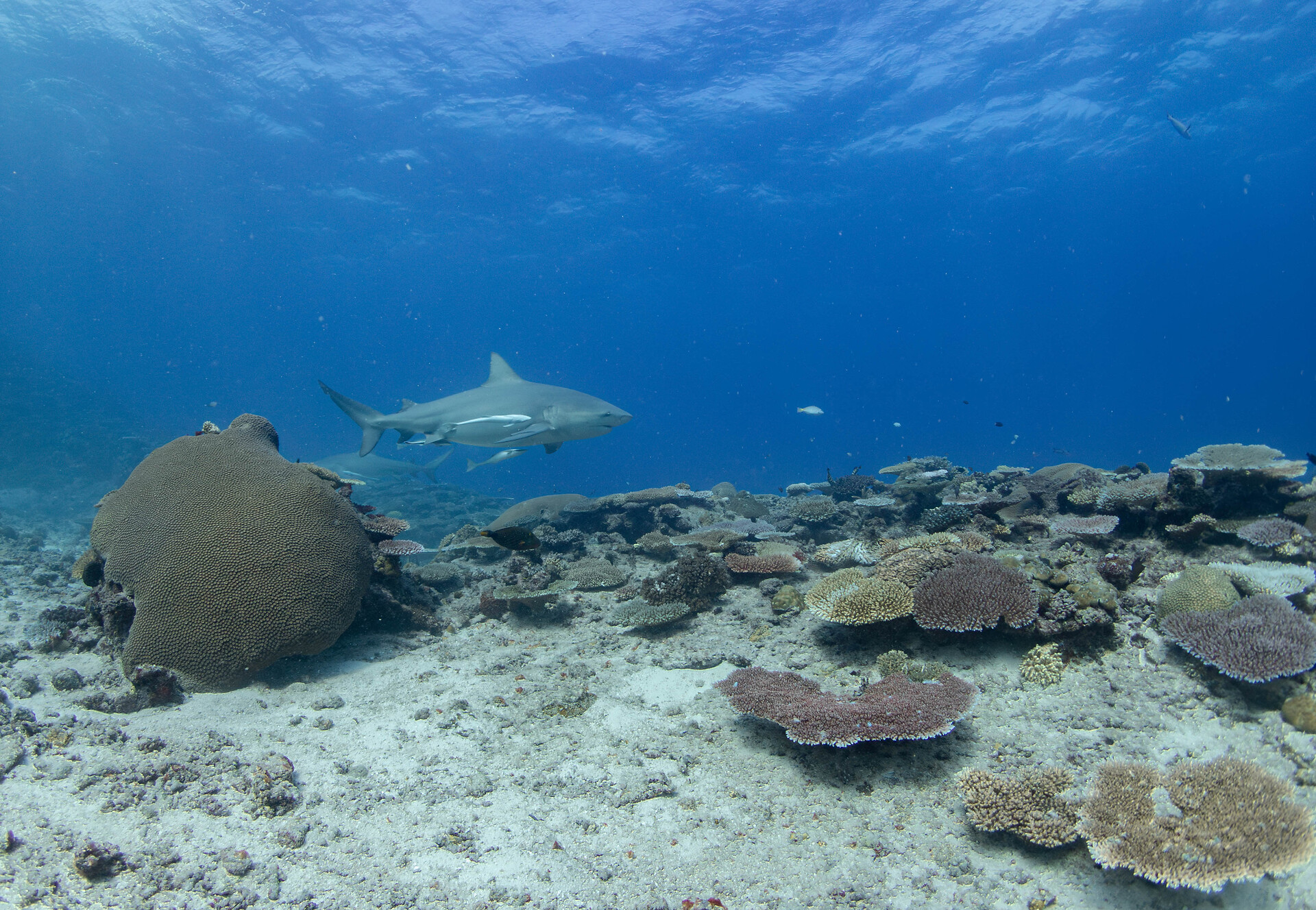
Photocredit: Jan Bierwirth
Conservation works best with communities — not against them
While many challenges were discussed, the conference also showcased inspiring examples of what successful conservation can look like.
A particularly encouraging trend was the growing number of community-led conservation initiatives. Across multiple countries, researchers and NGOs demonstrated that local fishers are not simply part of the problem — they can become some of the strongest conservation partners when they are genuinely included.
Several speakers stressed that conservation imposed from the outside often fails. In contrast, projects that build trust, involve local ecological knowledge, and provide tangible benefits to communities are far more likely to succeed long-term.
This represents an important cultural shift within shark conservation:
less “protect sharks from people” — and more “protect sharks together with people”.
Sharks need a stronger political voice
Perhaps the most important and urgent discussion throughout the conference focused on international fisheries governance.
Many shark species remain heavily threatened not because the science is unclear, but because political decision-making is too slow, too weak, or too heavily influenced by industrial fishing interests.
Regional Fisheries Management Organisations (RFMOs) were repeatedly highlighted as one of the key battlegrounds for shark conservation. These bodies make hugely important decisions regarding:
- fishing quotas
- bycatch mitigation
- finning regulations
- trade restrictions
- and management of highly migratory species on the high seas
Yet despite their importance, these processes often receive little public attention.
Multiple speakers emphasized that the conservation community needs to engage far more strategically and professionally within these political arenas. Science alone is not enough. Publishing papers alone is not enough.
Sharks need representation in the rooms where decisions are made.
That means:
- policy expertise
- legal expertise
- long-term advocacy
- political pressure
- and professional lobbying capacity
In simple terms: Shark conservation needs not only researchers in the field — it also needs advocates at negotiation tables.
The voices at Sharks International 2026 were unmistakable:
sharks need a lobby. And they need a professional one.

your contact person Jan Bierwirth
We report on Shark protection stay informed!


Don’t miss any events, current projects, educational programs and news! Sign up for our free newsletter and stay up to date!