CITES 2025: Sharks Making Waves

Sharkproject Joining The Surge Toward Shark Conservation.
- CITES 2025 – a defining moment in shark conservation
- For the first time ever, a shark species has been listed under CITES Appendix I
- Sharkproject International was organizing a dedicated side event: The Hammerhead Coalition
The CITES Conference of the Parties 2025 (CoP20) will be remembered as a defining moment in shark conservation. This year, sharks were no longer a peripheral topic – they took center stage in political discussion, decision-making, and global momentum. The outcome was nothing short of historic.
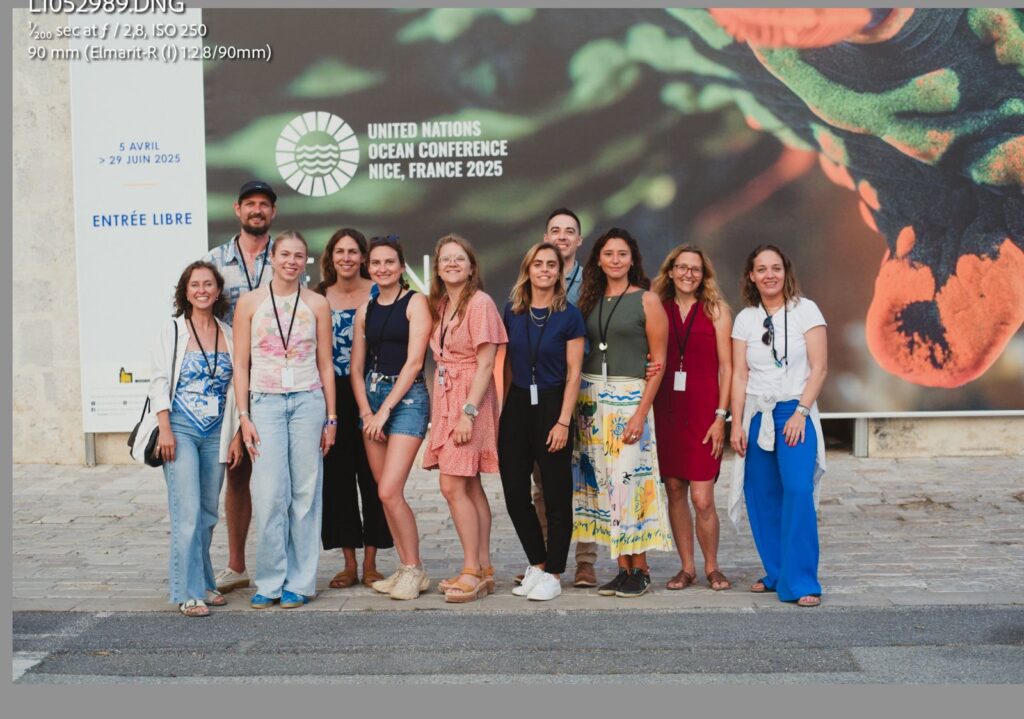
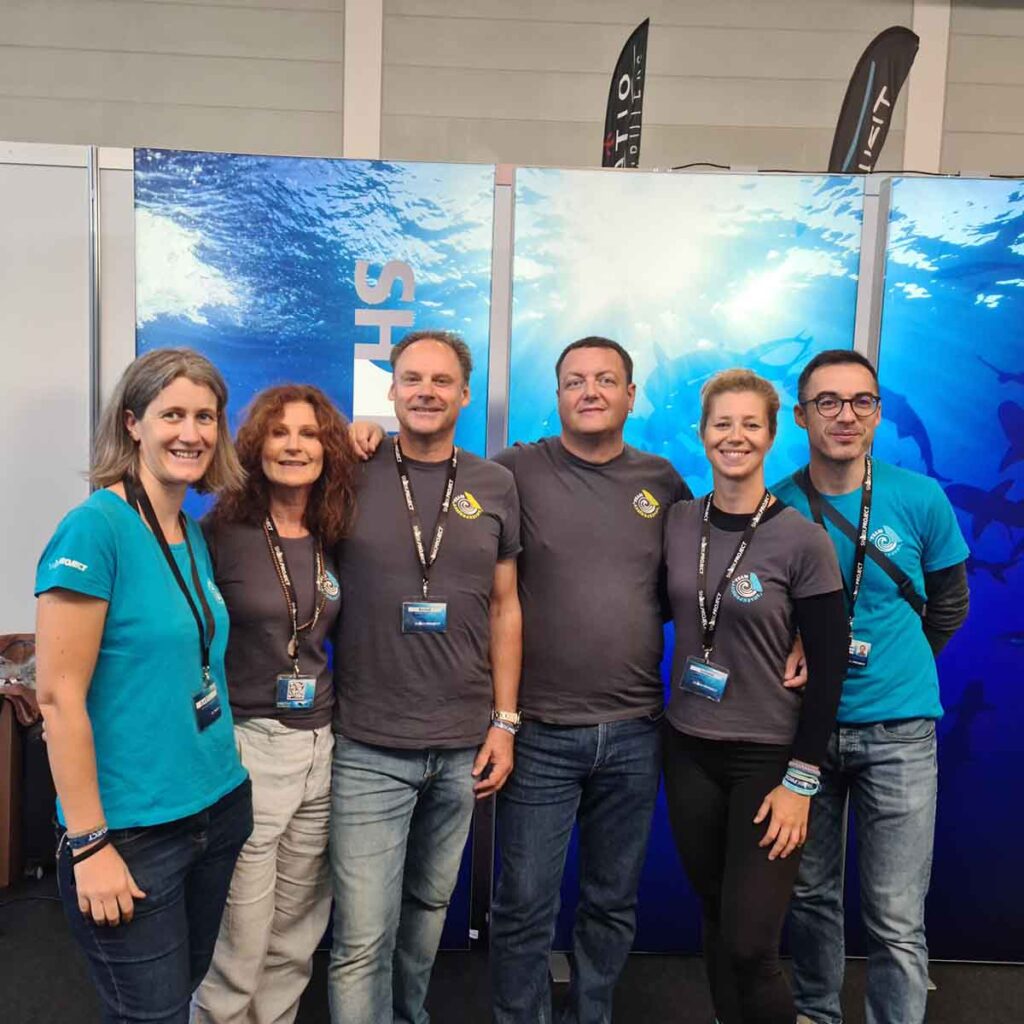
Sharkproject was honored to be part of this transformative moment, represented on-site by Vera and Pamela, who played a pivotal role in the outcome through their negotiations, exchanges with partners, and the organization of our high-level side event.
Why CITES Matters for Sharks
CITES—the Convention on International Trade in Endangered Species of Wild Fauna and Flora—regulates the international wildlife trade. For sharks, CITES decisions are vital: once demand-driven overfishing takes hold, populations can collapse at an alarming rate, and trade controls often become the last, vital tool in reversing that decline.
This is why what happened at CITES 2025 truly matters.

Oceanic White tip Shark, Photo: Kogia / Jono Allen
Historic Decisions: Sharks Make Waves at CITES 2025
All shark-related proposals at CoP20 passed with overwhelming support — either by full consensus or with around 90% of Parties voting in favor. This level of agreement clearly shows how far global understanding of the shark crisis has come.
One decision, in particular, stands as a beacon of progress:
🦈 For the first time ever, a shark species has been listed under CITES Appendix I
The Oceanic Whitetip Shark is now officially protected from international commercial trade – a monumental milestone for shark conservation worldwide.
But that’s not all: Ecuador also announced plans to propose hammerhead sharks for CMS Appendix I listing, further strengthening the global momentum for shark protection.

Oceanic White tip Shark, Photo: Kogia / Jono Allen
Sharks Everywhere: A Conference Fueled by Momentum
CITES 2025 featured an unprecedented number of shark-focused events, from panel discussions to informal meetings. Topics ranged from scientific research and trade monitoring to enforcement strategies and community perspectives. Sharks were everywhere – and with good reason.
This surge in attention reflects years of dedicated research, advocacy and work on the frontlines. Moreover, It also sends a clear message: the world is finally listening to what sharks need to survive.


Sharkproject at CITES: From Advocacy to Action
Throughout the conference, Sharkproject actively contributed to the discussions and outcomes. Vera and Pamela made sure that scientific evidence, enforcement realities and NGO perspectives were heard — both in formal sessions and behind the scenes.
One of our personal highlights was organizing a dedicated side event:
The Hammerhead Coalition: Parties, Science, and Enforcement United
Our side event brought together governments, scientists, NGOs and enforcement authorities to focus on one urgent question:
How can we finally provide hammerhead sharks with the level of protection they so clearly need?
The session explored:
- The alarming status of hammerhead populations worldwide
- Ongoing illegal trade, even from countries reporting zero exports
- Challenges with Non-Detriment Findings (NDFs), traceability and enforcement
- What a credible pathway toward a future CITES Appendix I listing might look like
The event also marked the official launch of the Hammerhead Coalition.

Great hammerhead, Bimini, Bahamas, Photo: Kogia / Sophie Hart
Building on a Decade of Work
The Hammerhead Coalition builds on more than ten years of effort. Randall Arauz, a pioneer in global shark conservation, played a key role in achieving the original CITES Appendix II listings for hammerheads over a decade ago. Today, new science clearly shows that Appendix II has not been enough.
Hammerhead populations continue to decline in most regions, illegal trade persists, and enforcement remains challenging. The coalition aims to change this.
Its three-year mission includes:
- Building a strong international coalition of NGOs, scientists and governments
- Compiling robust, peer-reviewed evidence on population trends and trade
- Supporting enforcement and capacity building
- Preparing a solid Appendix I proposal for a future CITES Conference (target: 2028)
Powerful Voices, Shared Commitment
The side event featured speakers and contributors from around the world, including representatives from Costa Rica, Kenya, the Gulf of Guinea, Panama and Mexico, as well as experts in environmental law and CITES implementation. Their contributions made one thing clear: protecting hammerheads requires collaboration across borders, sectors and disciplines.
Looking Ahead
CITES 2025 showed what is possible when science, civil society and governments unite. The overwhelming support for shark proposals and the first-ever Appendix I listing for a shark species mark real progress.
But decisions alone are not enough. Effective implementation, enforcement and continued collaboration are what will ultimately determine whether shark populations can recover.
Sharkproject will continue to be part of this work – advocating, collaborating and pushing for meaningful protection.
Until sharks are safe.

your contact person Julie Lord
We report on Shark protection stay informed!


Don’t miss any events, current projects, educational programs and news! Sign up for our free newsletter and stay up to date!