Sharkline Foundation
Support SHARKLINE's work to protect sharks and rays in Kenya's coastal waters through community-led research, education, and policy reform
Why
Critical data gaps on shark populations; unregulated fishing threatening endangered species
Location
Kenya Coast (North Coast and Lamu region, supporting conservation throughout Kenyan coastline)
Goal
Building shark conservation through four pillars
Funding Goal
60.000 €

Long-term impact
Supporting this project means:
- Supporting a women-led shark conservation foundation
- Building research capacity within coastal communities
- Integrating Local Ecological Knowledge with scientific research
- Creating pathways for community-led conservation in the Western Indian Ocean
- Supporting policy reform at national and regional levels
Backgrounds
Kenya’s coastal waters – Nursery grounds at risk
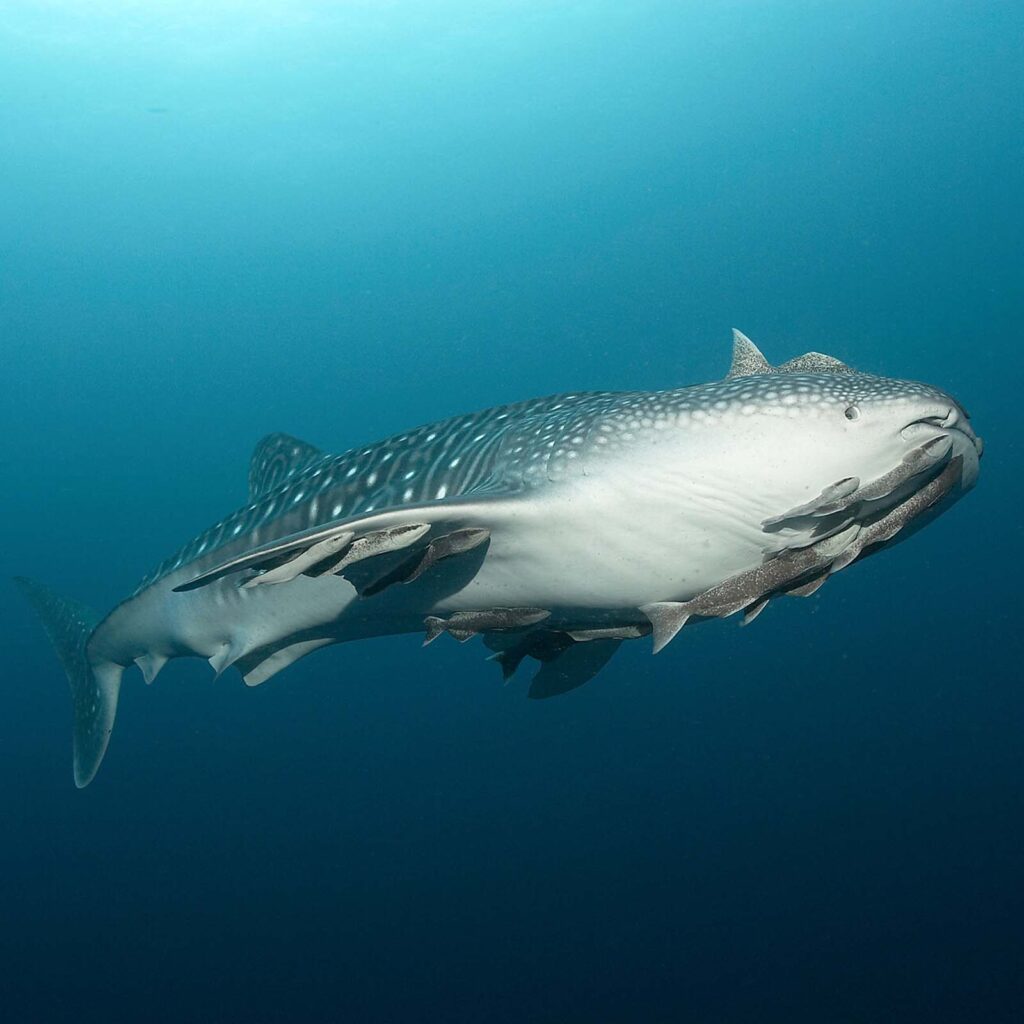
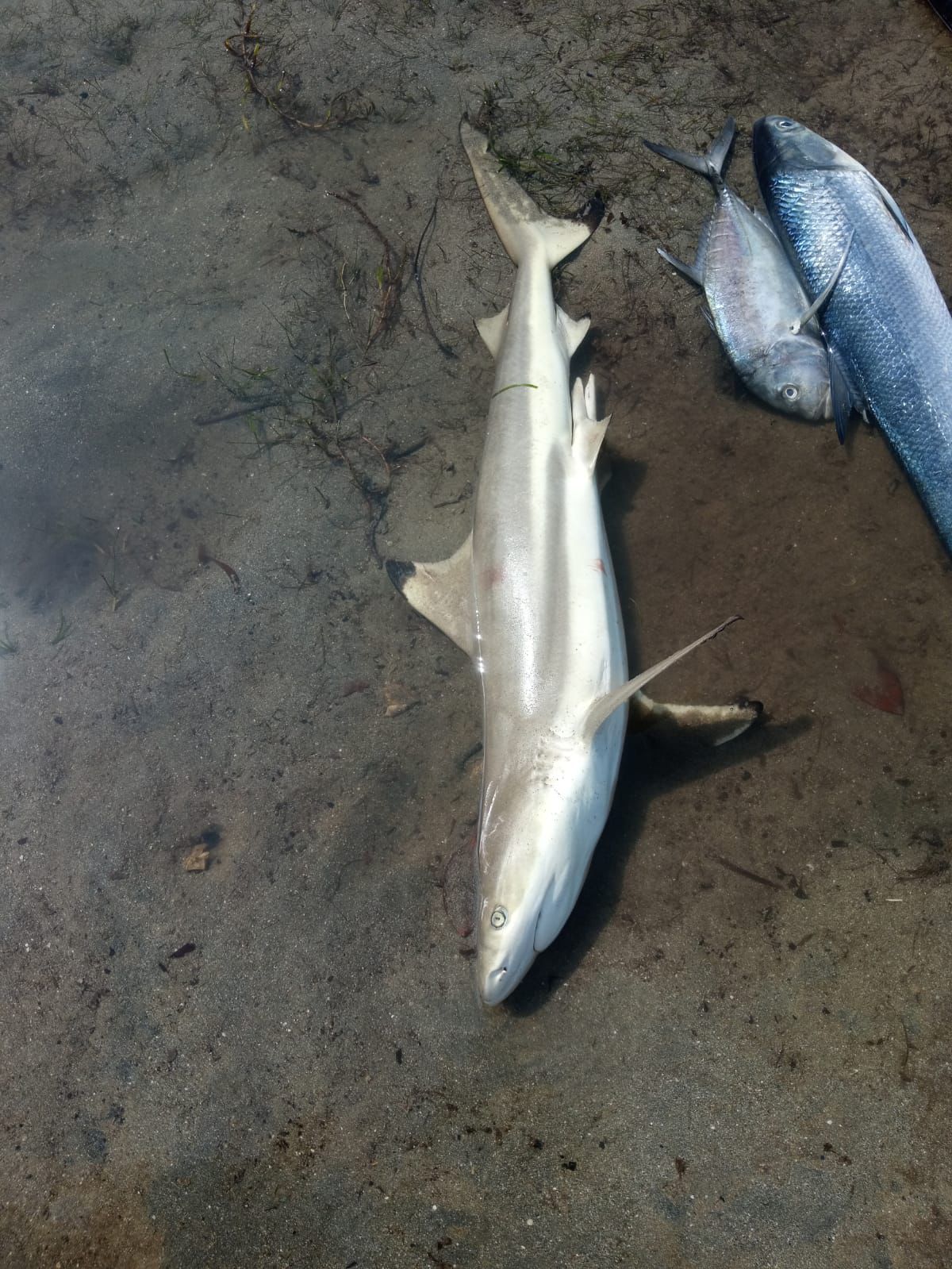
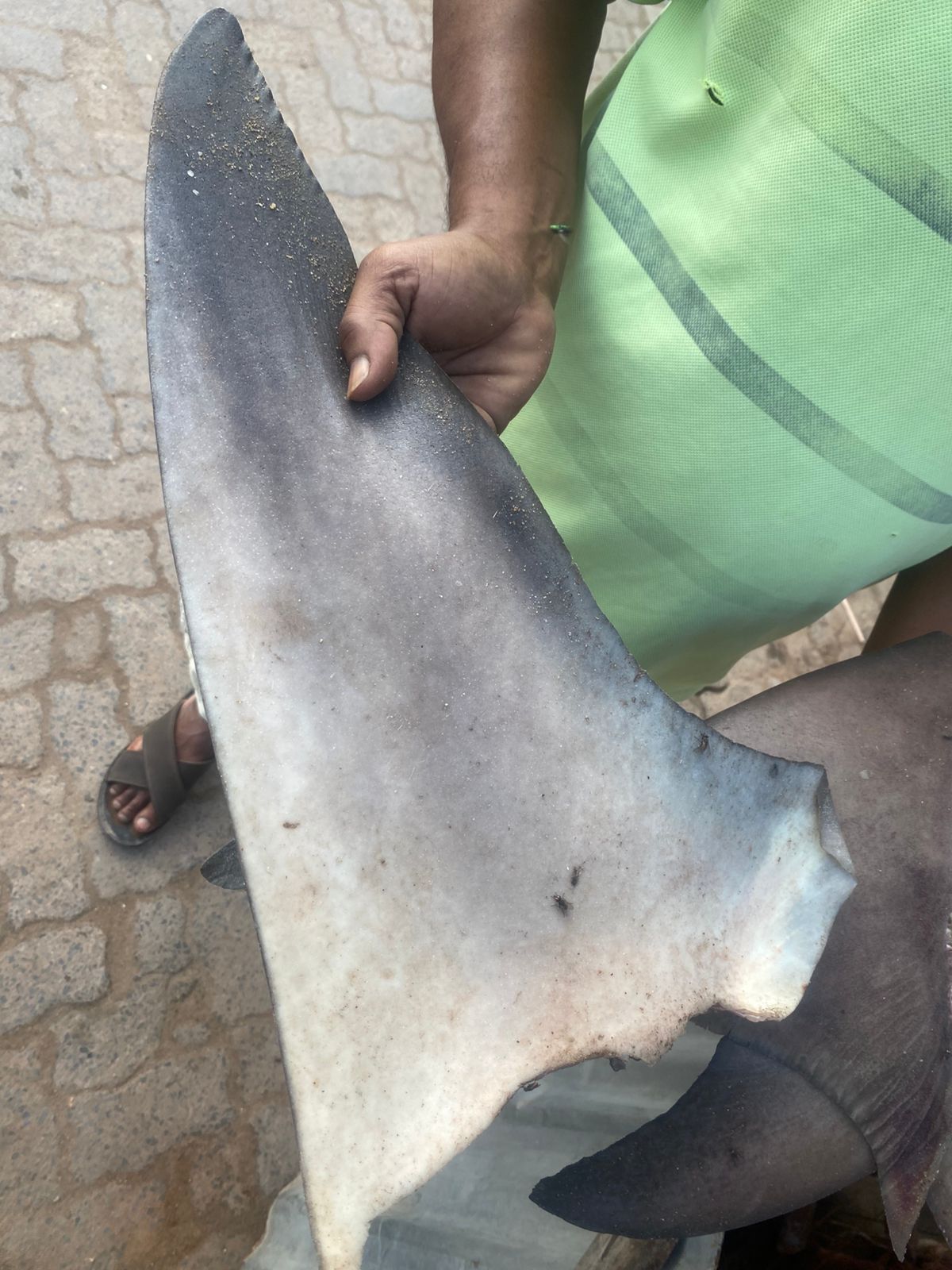
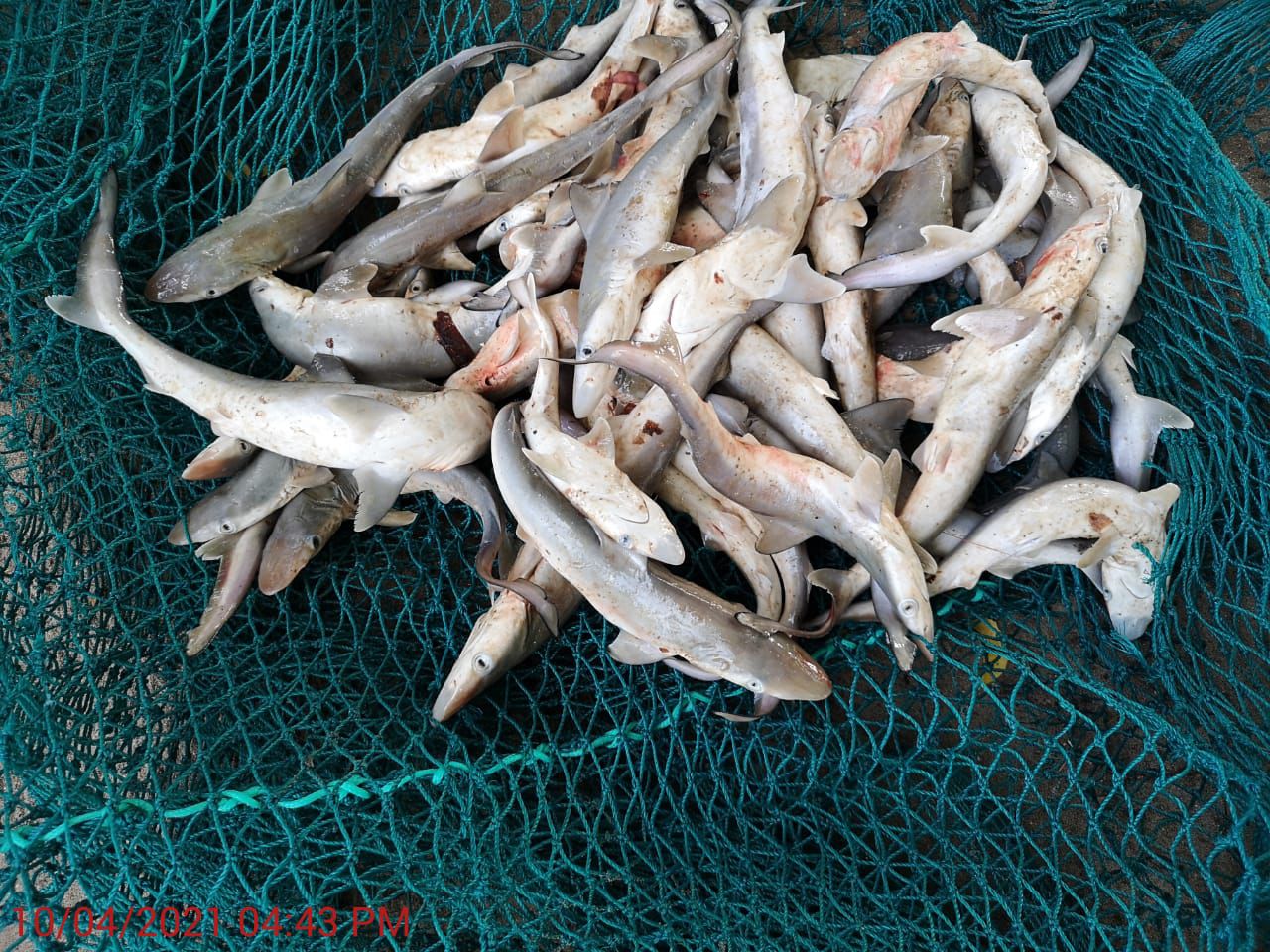
Kenya’s coastal waters are critical habitat for numerous shark and ray species, including threatened populations that use these areas as nursery grounds. However, data on catch, landings, and population status remains severely limited.
Knowledge gaps meet conservation needs
Without baseline data on which species are present, caught, and in what quantities, effective management is impossible. SHARKLINE aims to combine fisher interviews, market monitoring, and research to build the evidence base necessary for policy advocacy.
Community-First Approach
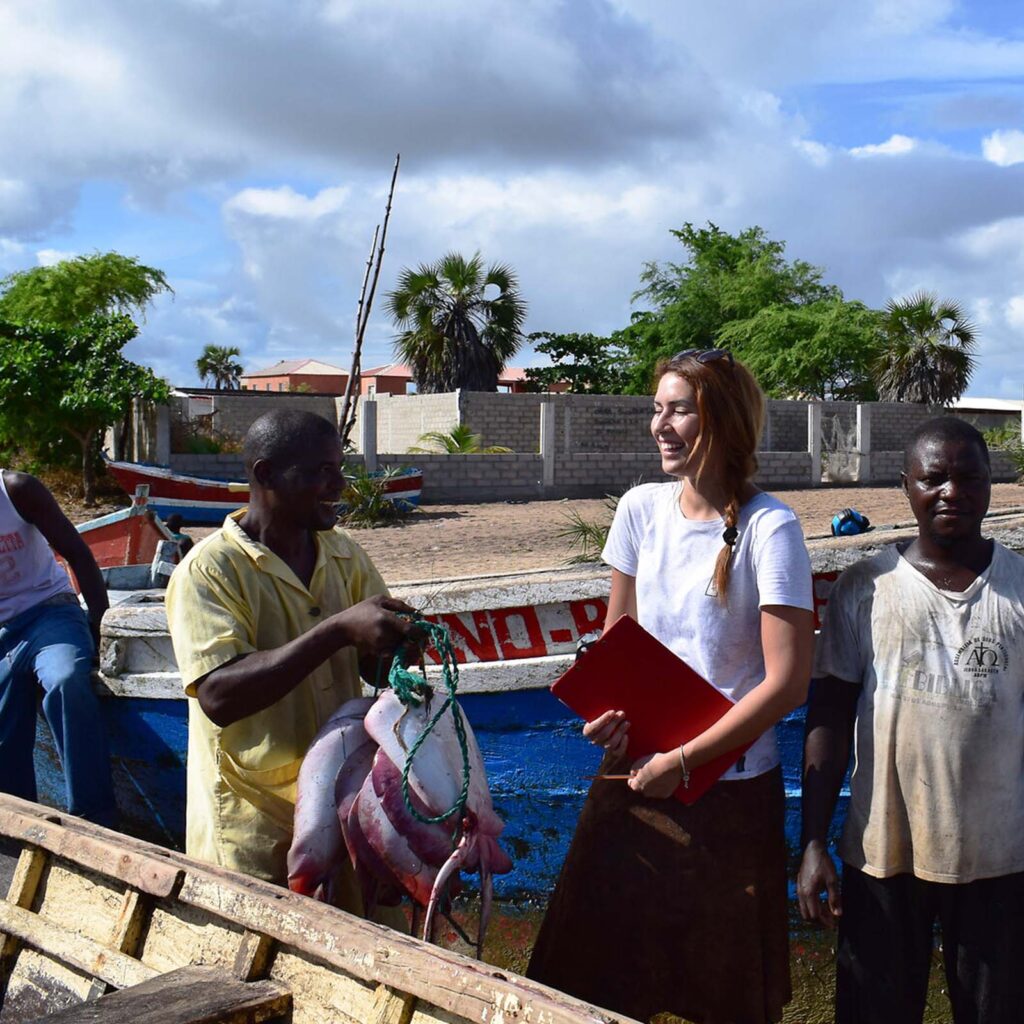
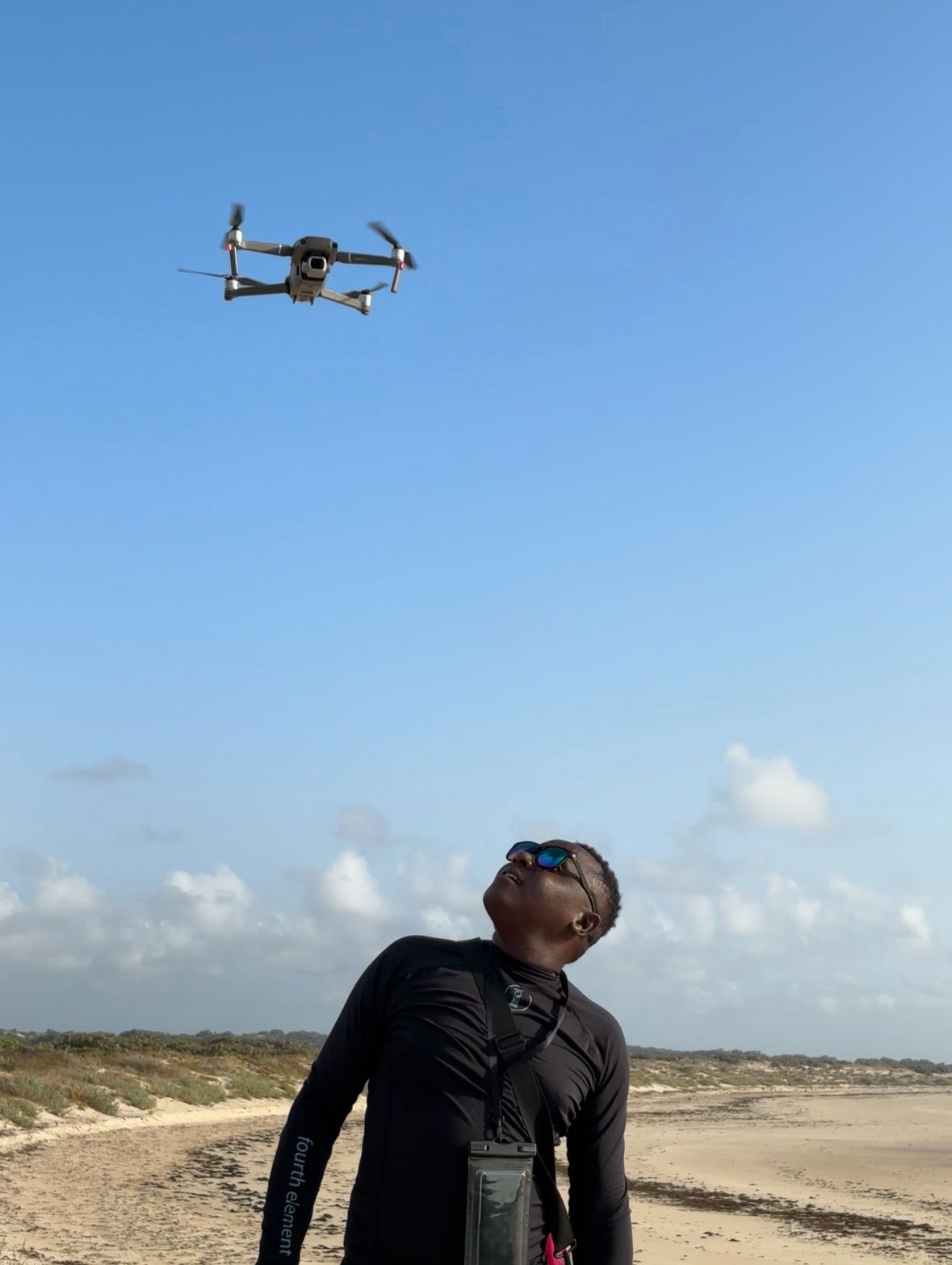
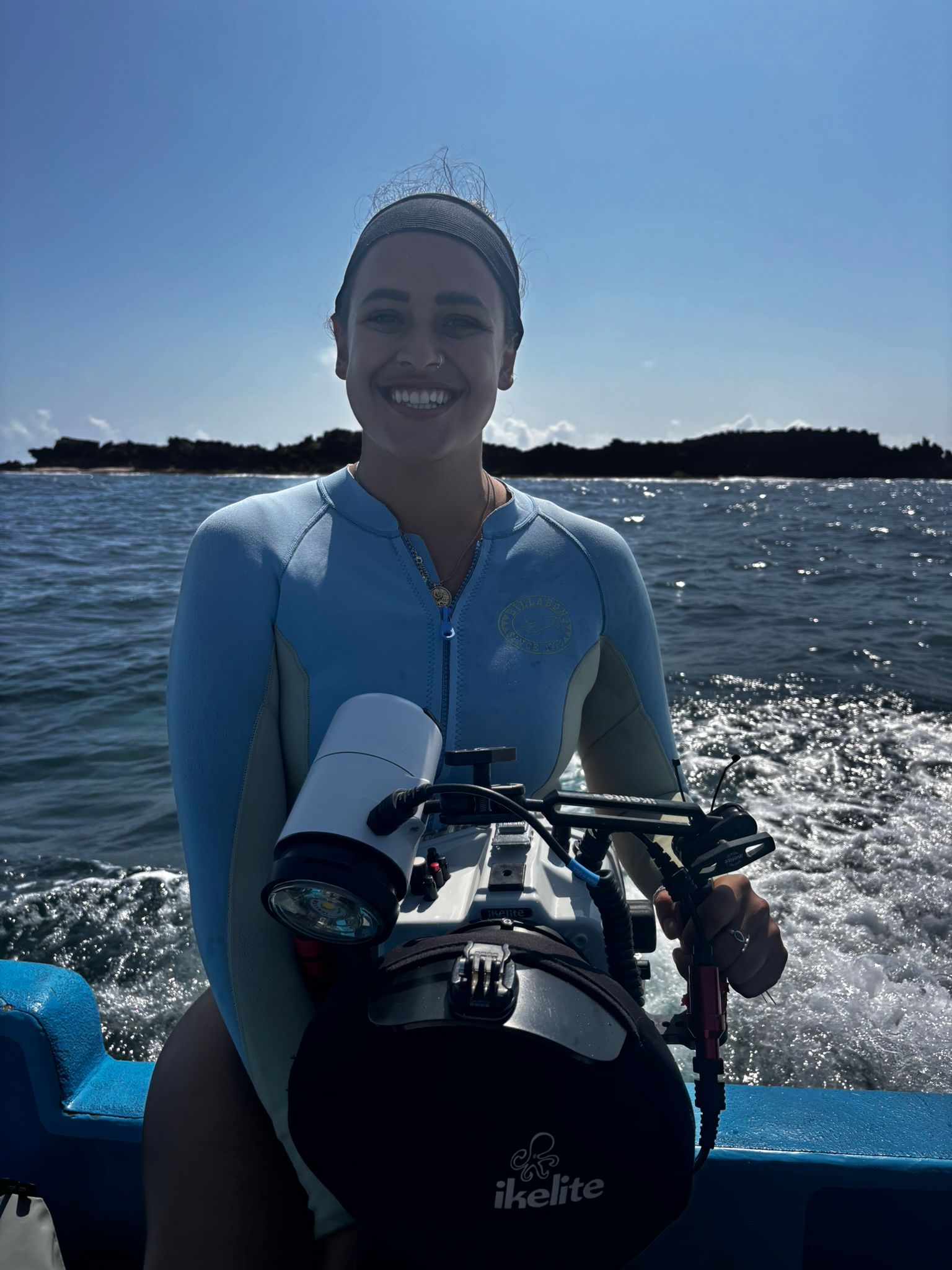
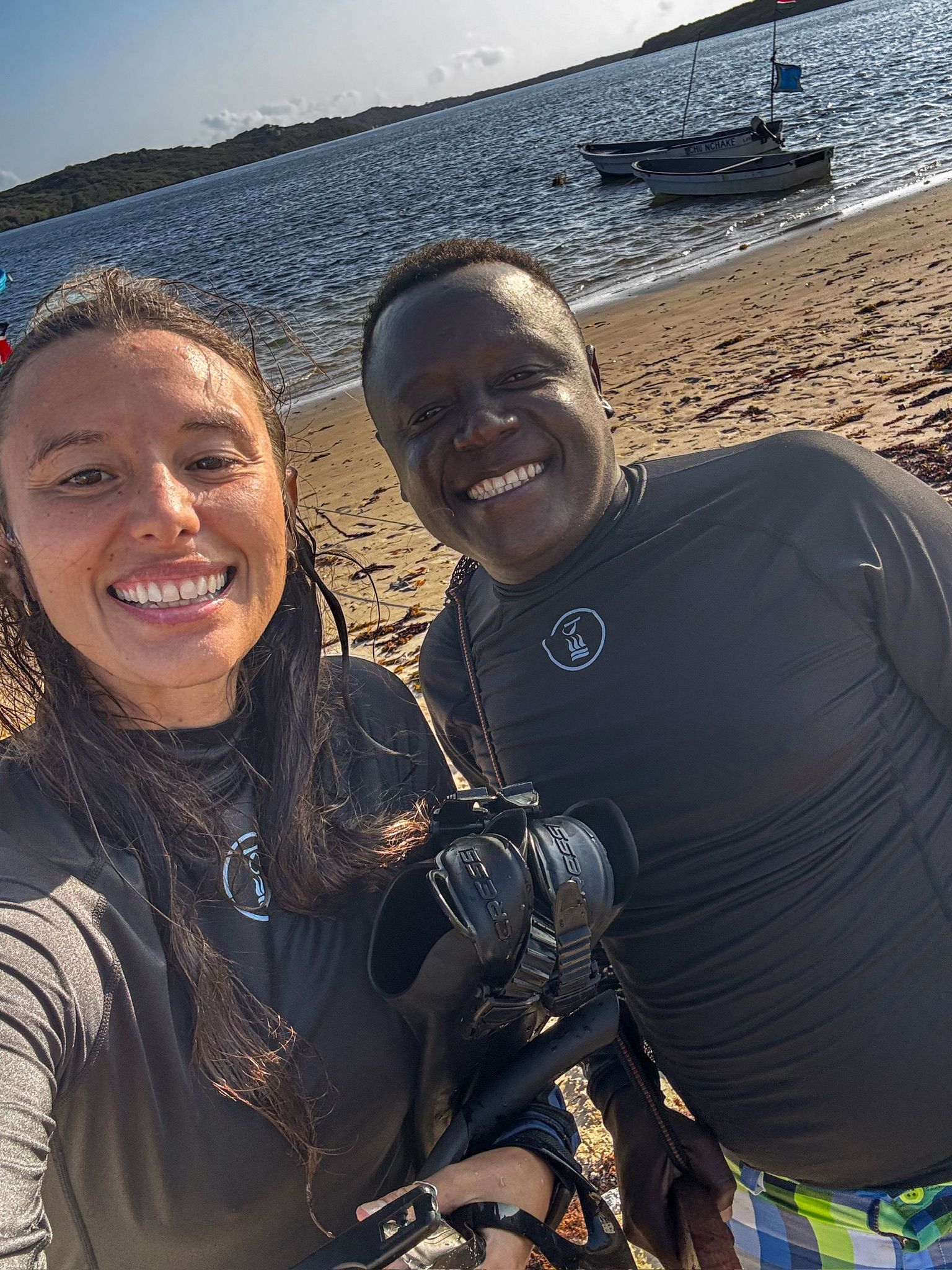
SHARKLINE Foundation, addresses these gaps through close collaboration with fishing communities. Fishing supports local livelihoods, and sharks are often bycatch in nets.
Together, we’re working toward solutions that protect both endangered species and community wellbeing.
Planned Research
Key research priorities include:
- Species inventory: What shark and ray species are present in Kenya's coastal waters
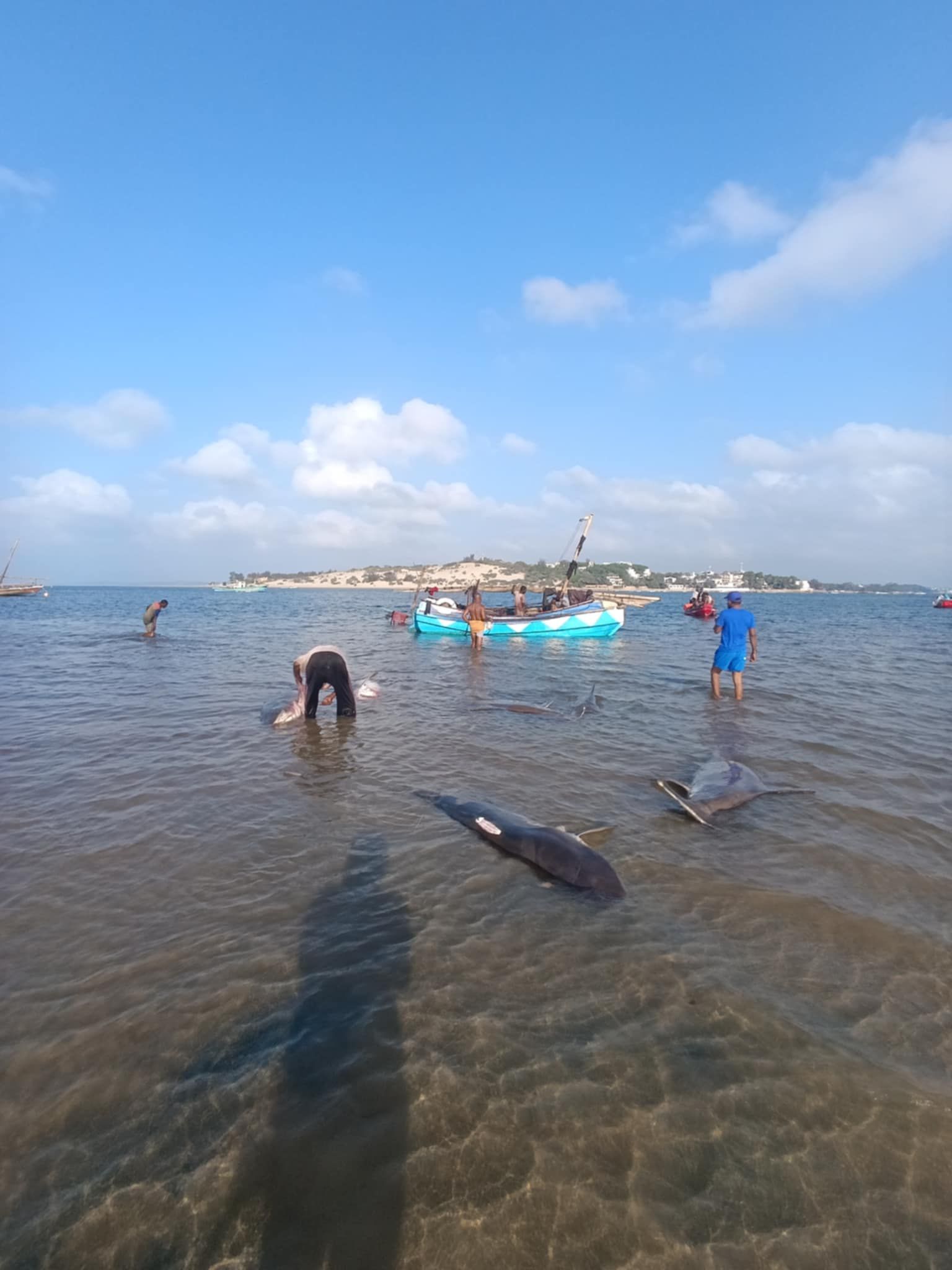
- Market and trade analysis: What species are caught, what is bycatch, what happens to sharks and rays after landing
- Understanding Local Ecological Knowledge through fisher collaboration
- Collecting data for accurate population assessment
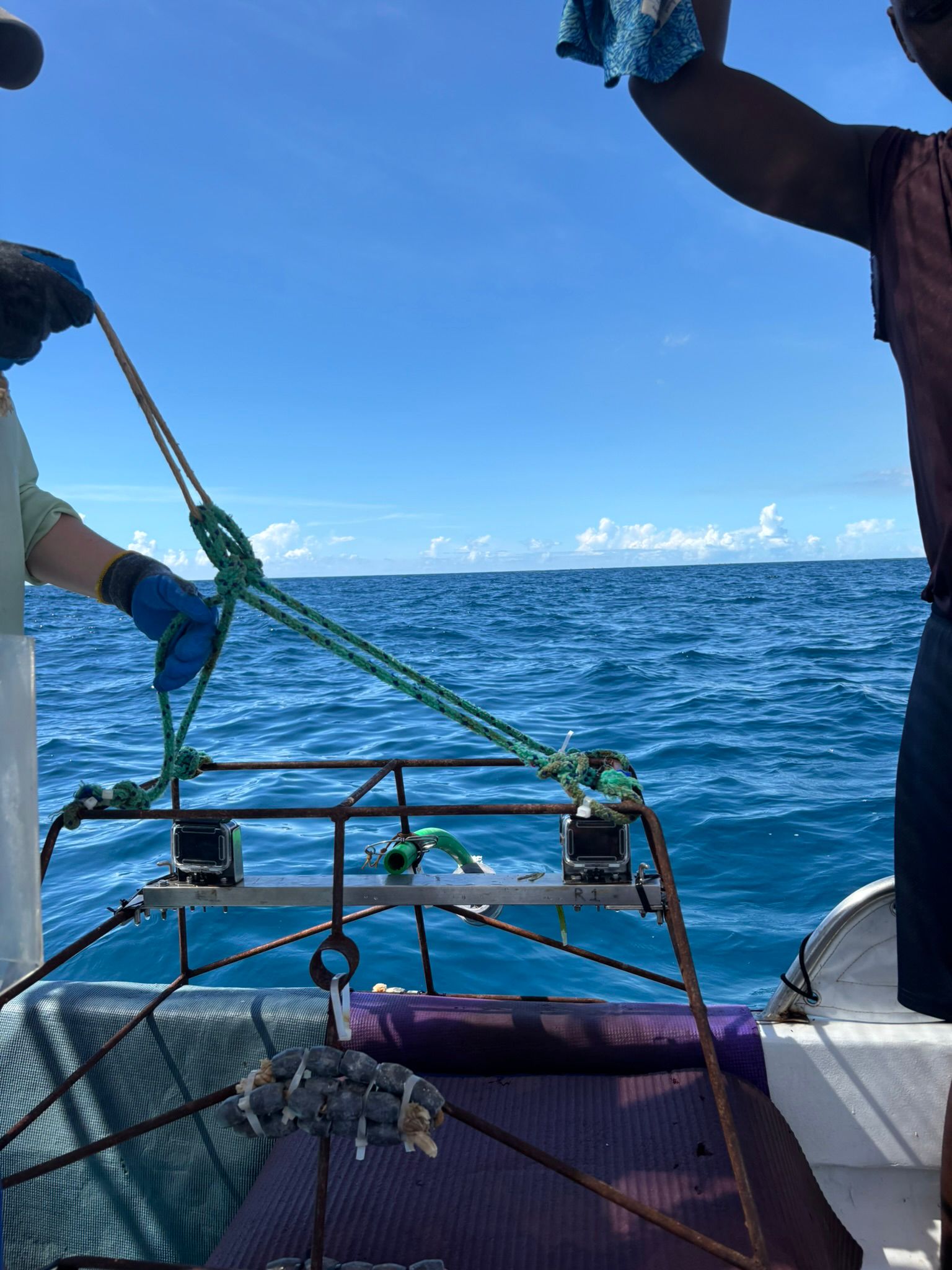
This evidence will be essential for engaging government authorities and supporting policy development.
Capacity Building & Education
SHARKLINE trains local community members in research methodology, creating skilled conservation professionals from coastal communities. The women-led approach creates new opportunities and challenges traditional structures in marine conservation. Educational outreach would be inclusive and extend from coastal communities to schools, increasing understanding of sharks' ecological importance and building local pride in conservation efforts.
Policy Influence
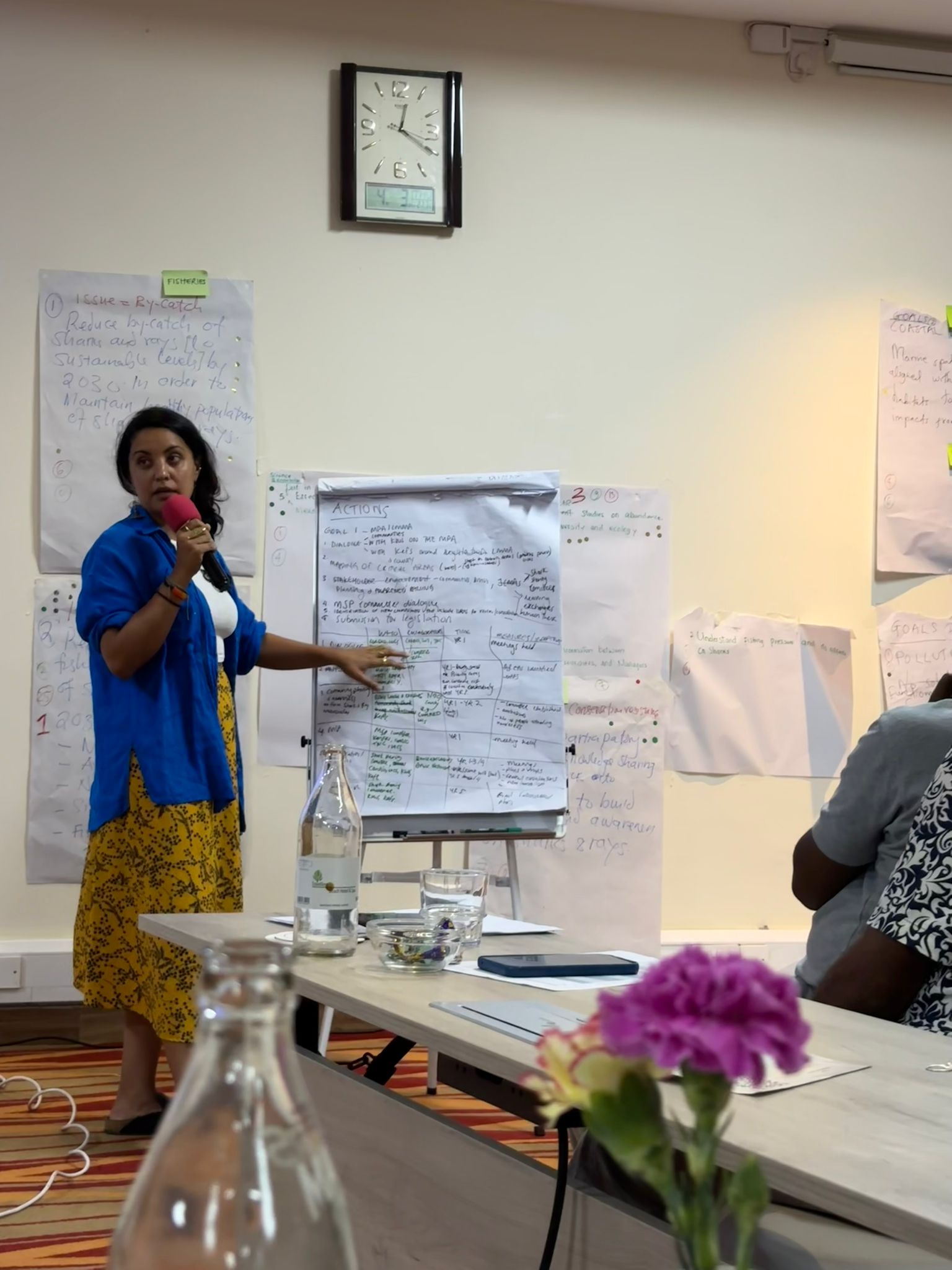
Long-term goals include improved fisheries monitoring, updated shark management strategies, and stronger protections for threatened species. SHARKLINE works at community, national, and regional (IOTC, CITES) levels to ensure coastal and Kenyan voices inform conservation policy
Why your support matters
Many conservationists work without funding for much of the year, taking other jobs to support their work. SHARKLINE believes this shouldn’t be the case. Your support ensures dedicated, sustained conservation efforts and allows the team to focus on the critical work of protecting sharks in the Western Indian Ocean.
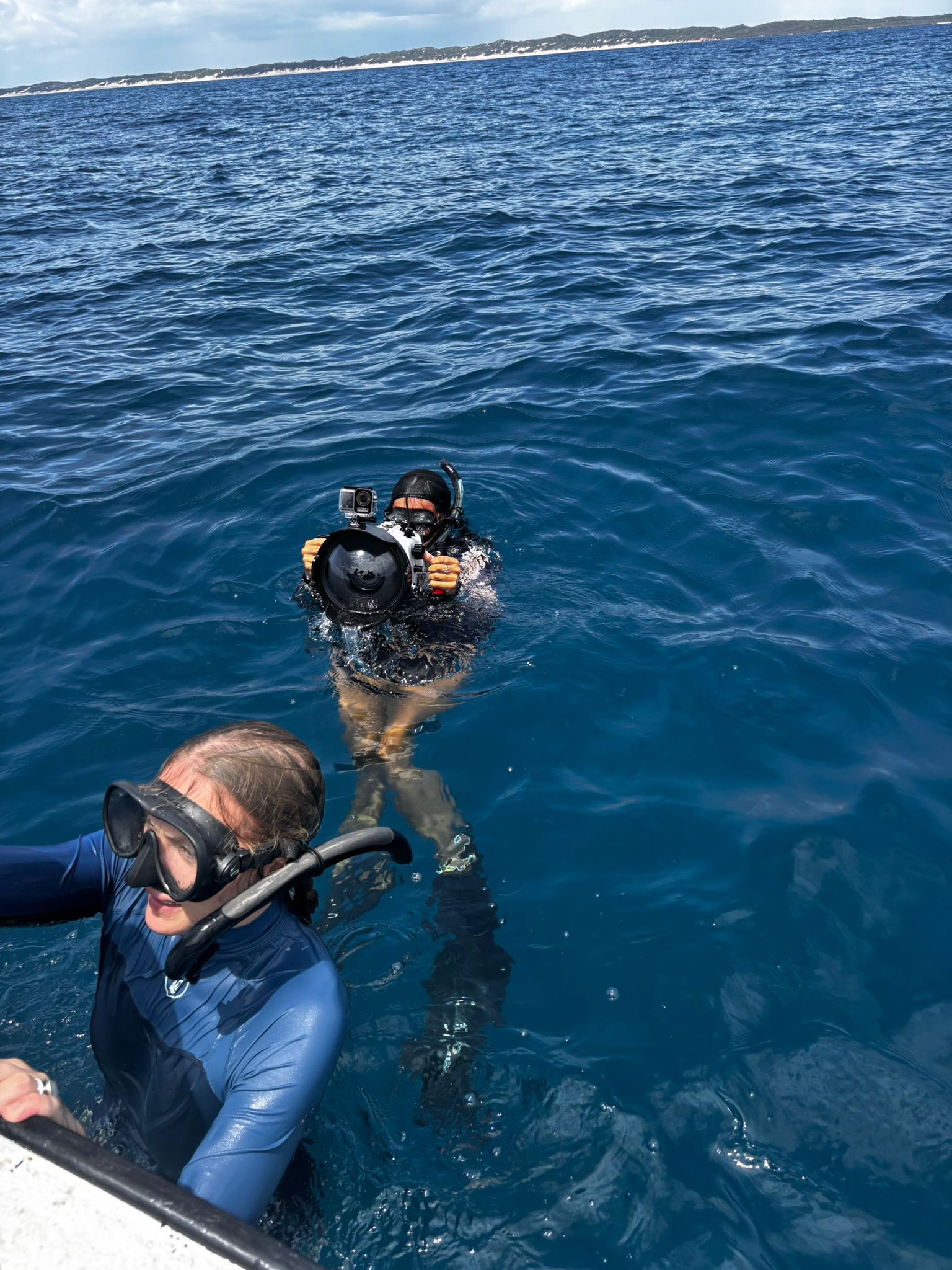
Sharkline Foundation / Abigail Kidd
Overview
Goals
Core Pillars
Science, Data & Local Ecological Knowledge
- Building capacity for shark research among local community members
- Integrating Local Ecological Knowledge with scientific methodology
- Analyzing existing data and conducting new research to inform management
Education & Resources
- Translating complex science into accessible formats for communities
- Developing educational materials for schools, fishers, and marine communities
- Creating multimedia storytelling about sharks, their biology, and conservation
Policy Advisory & Advocacy
- Connecting data and local realities to decision-making
- Tracking and sharing policy developments across the region
- Supporting national and regional shark management strategies
- Ensuring community inclusion in policy recommendations
Culture & Community (People)
- Building a movement where everyone from fishers to ocean lovers can contribute
- Creating pathways for participation – through time, knowledge, or support
- Turning information into action, and action into community pride
- Connecting local communities to global supporters who care about sharks
Science → Policy → Education → People → Science
A full circle of change, where each pillar strengthens the others
Location
Kenya Coast (North Coast and Lamu region, supporting conservation throughout Kenyan
coastline)
Project Duration
Ongoing. SHARKLINE Foundation is building long-term community partnerships and
research capacity in the Western Indian Ocean region.
Project Travels
Field-based work along Kenya’s North Coast and Lamu region. Direct involvement
opportunities available for volunteers and researchers interested in hands-on
conservation.
Project Lead
Abi – SHARKLINE Foundation Founder / SHARKPROJECT International Ambassador for
Kenya
Additional Info
Contact:
Abi, SHARKLINE Foundation Founder and SHARKPROJECT Ambassador for Kenya
Abi leads SHARKLINE alongside 5 women with diverse strengths and backgrounds.
Combining community-based conservation work and Local Ecological Knowledge with
scientific research to protect sharks and rays in Kenya’s coastal waters through strategic
policy work.
Project history
2024-2025
Established SHARKLINE Foundation as women-led organizational entity
Building research capacity and community partnerships in North Coast and Lamu region
Developing foundational framework for Science, Education, Policy, and Community pillars
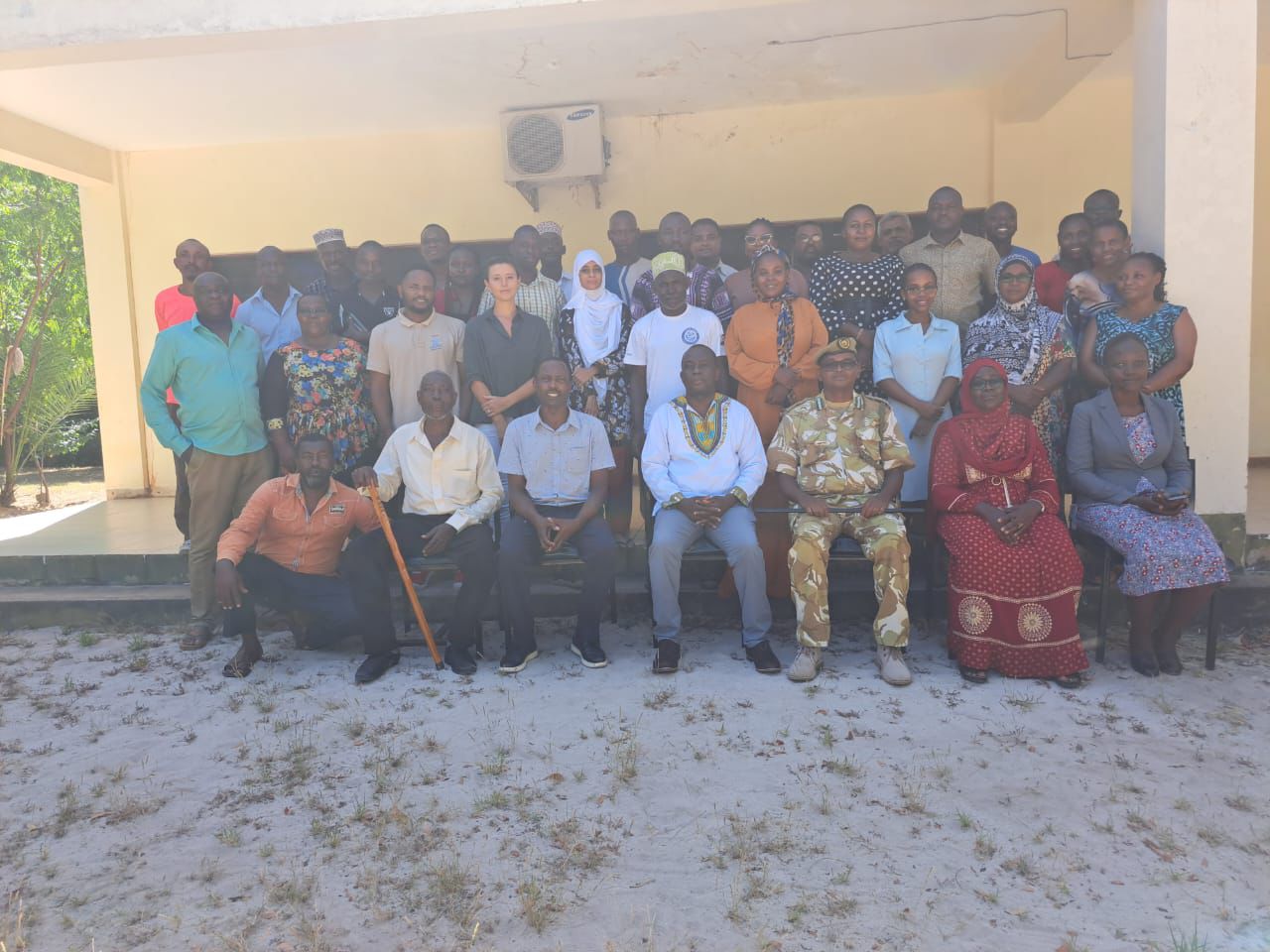
Formed partnerships with SHARKPROJECT International, and other international and national organisations and brands
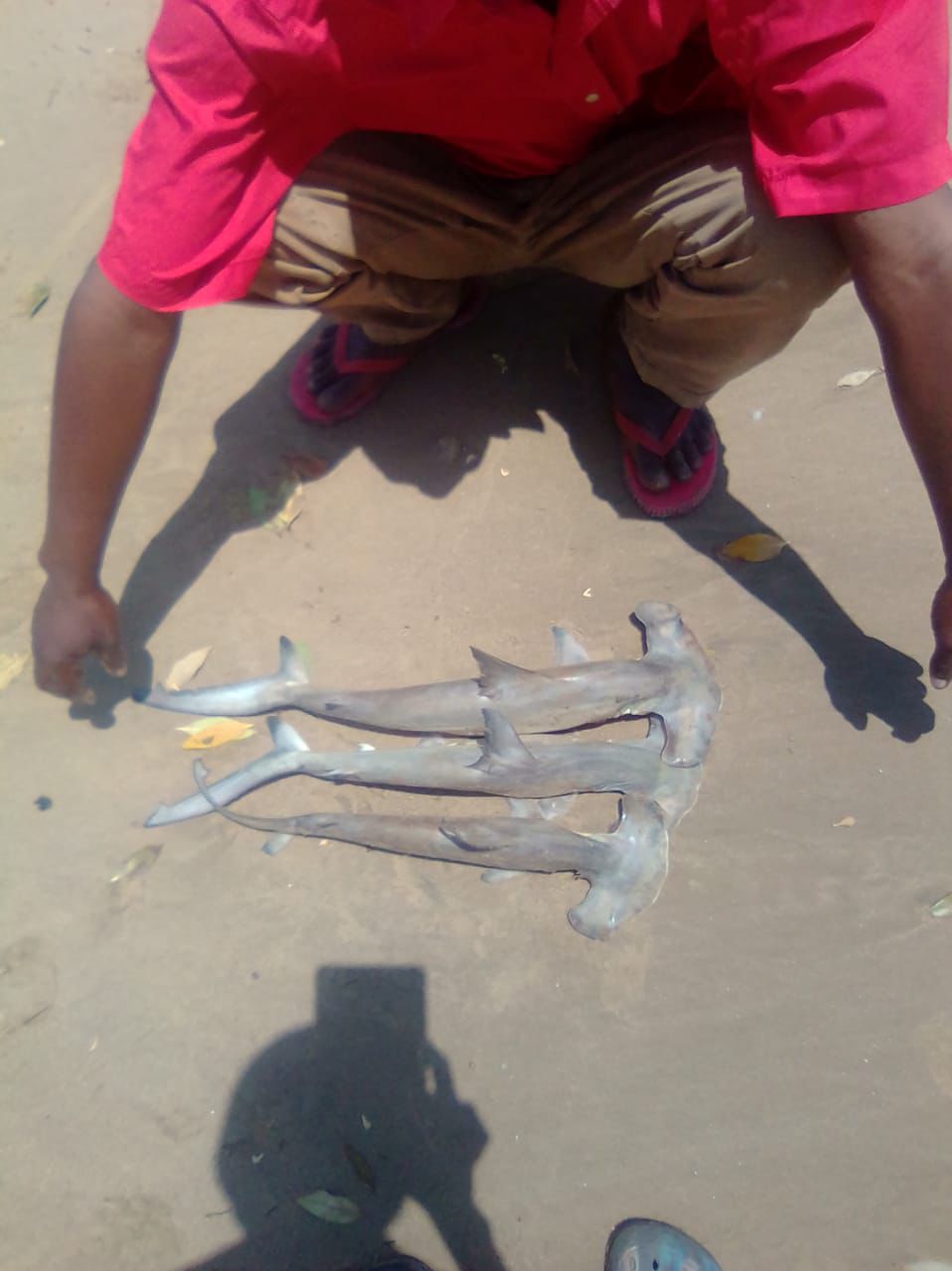
Contributed hammerhead conservation data at CITES CoP20 showing 99.5% of landings are juveniles
Next Steps
Expand educational outreach and resource development
Launch market survey and species inventory research in Kenya
Strengthen policy advisory network across Western Indian Ocean
Build capacity within fishing communities for research participation
Develop sustainable funding model to support long-term conservation work
Contact

your contact person Abigail Kidd
SHARKLINE Foundation Founder, SHARKPROJECT International Ambassador for Kenya