Q&A with Hugues de Kerdrel

Hugues has been named among this year’s 50 Most Influential Guardians from The Explorers Club
- Hugues de Kerdrel is the founder of the Mission William Project
- Conservation effort from de Kerdrel and his team at Over The Swell spanning from St. Helena to São Tomé and Príncipe and across the Gulf of Guinea
- SHARKPROJECT, together with the Over the Swell association, supports the Mission William Project, an international initiative to protect whale sharks and strengthen local communities from St Helena to São Tomé and Príncipe to the Gulf of Guinea.
From the Gulf of Guinea to Global Recognition
The Explorers Club defines Guardians as “explorers who unite to safeguard cultures, people, communities, and the world; their visionary dedication to defend forges our collective path forward.”
We could not think of a more fitting description for Hugues de Kerdrel, founder of the Mission William Project, who has been named among this year’s 50 Most Influential Guardians.
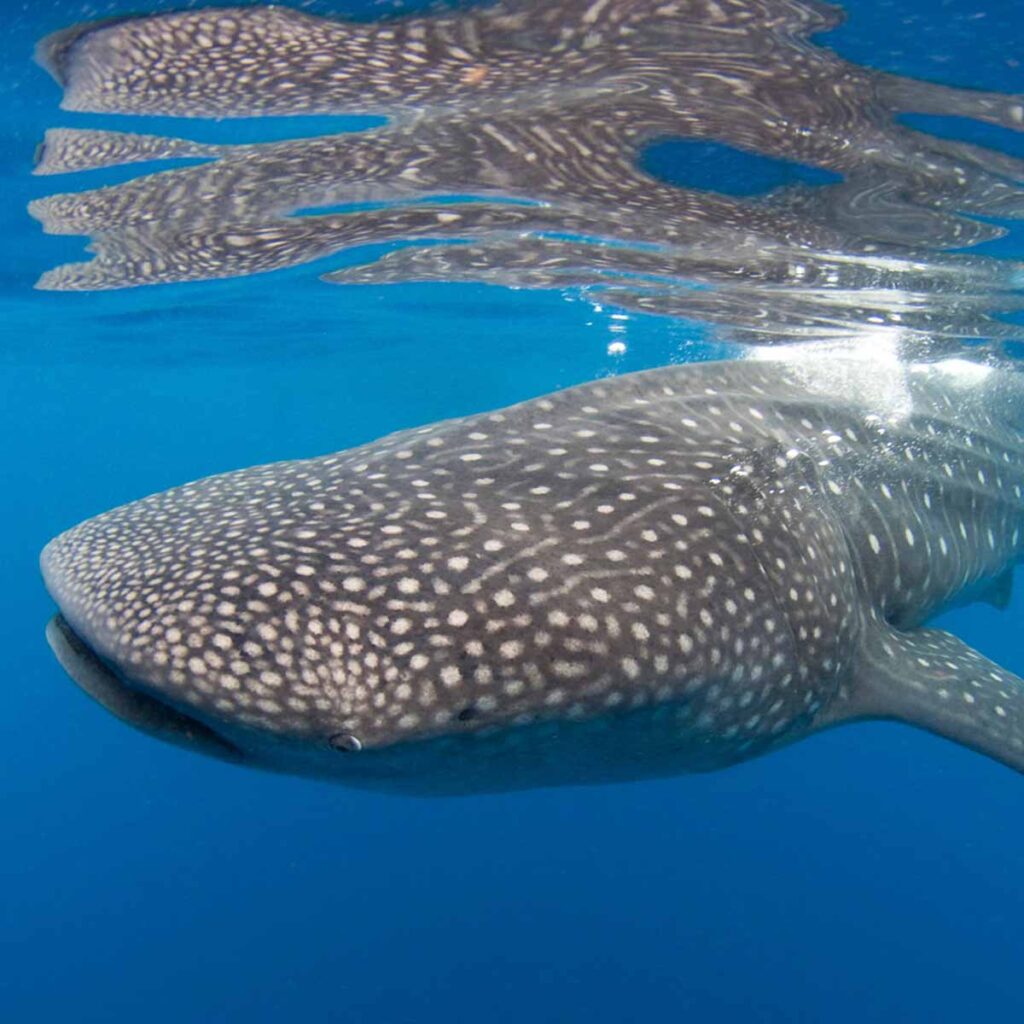
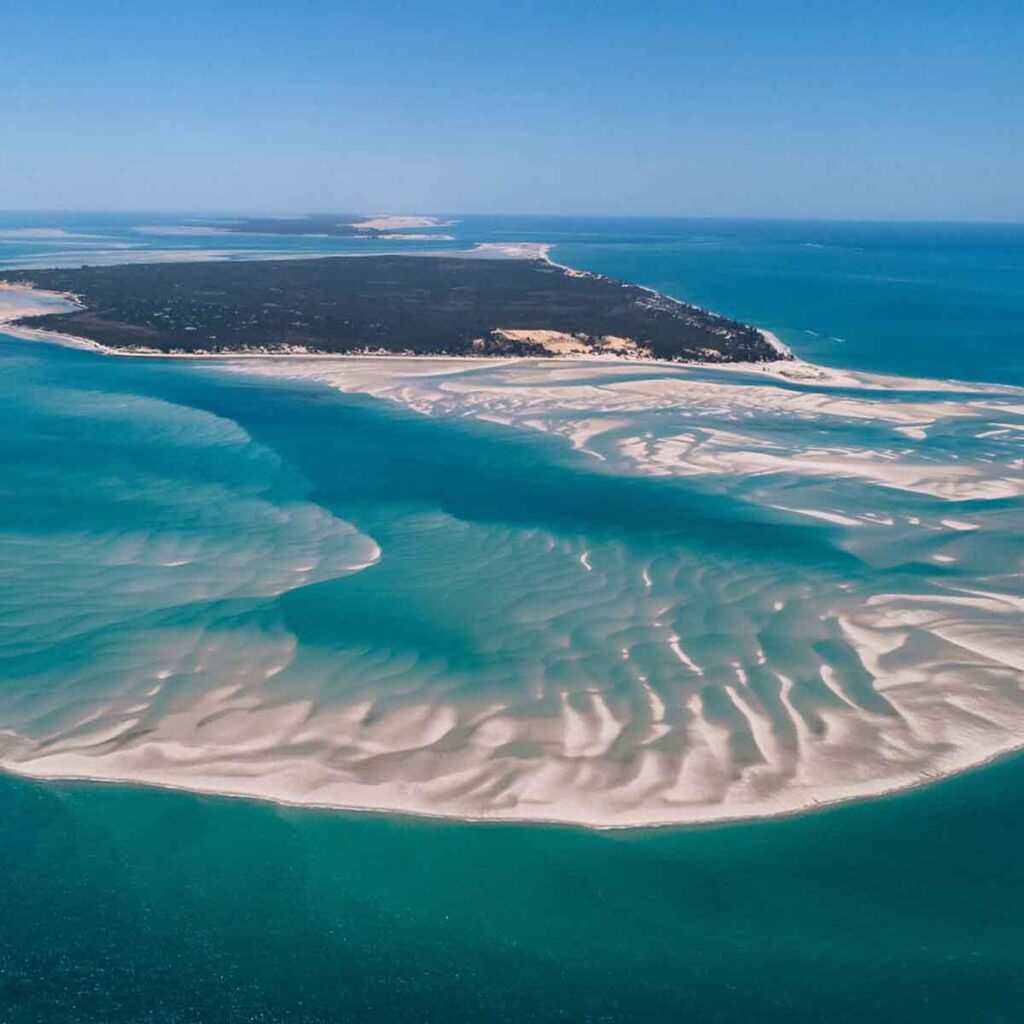
The Mission William Project began with a promise and a deep love for the ocean’s gentle giant – the whale shark. What started as a personal commitment has grown into a multinational conservation effort spanning from St. Helena to São Tomé and Príncipe and across the Gulf of Guinea, where illegal fishing and overexploitation threaten both marine ecosystems and coastal livelihoods.
As Sharkproject International, we joined forces with Hugues and his team at Over The Swell because of our shared belief: protecting sharks means protecting entire ecosystems and the communities that depend on them. Since 2023, we have supported the mission through satellite tagging, field engagement, and educational outreach, working together to better understand whale shark migration routes and advocate for lasting protection measures.
To celebrate this well-deserved recognition, we asked Hugues to reflect on his journey and the impact of collaborative conservation.
For those discovering Mission William for the first time, what is its core mission?
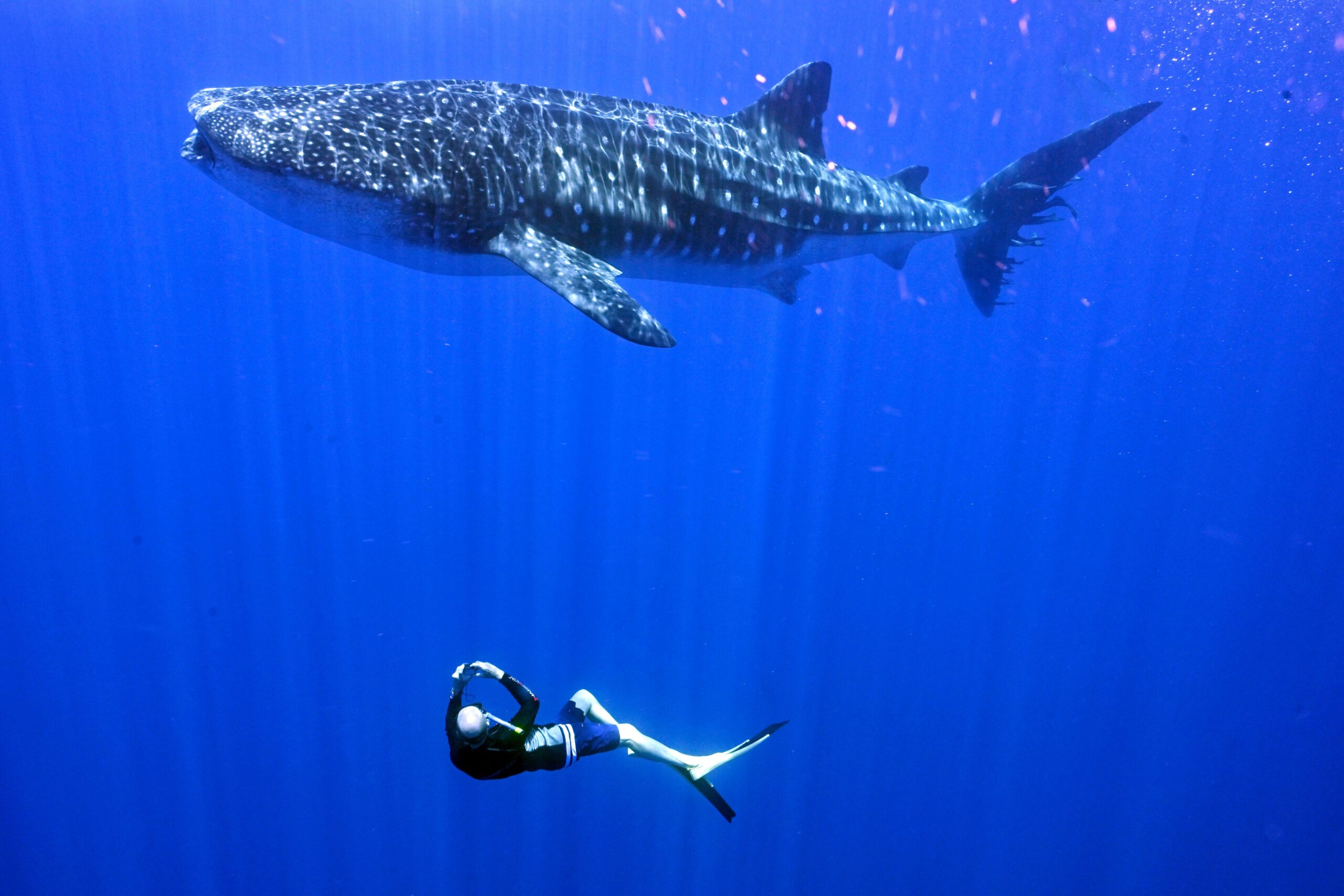
While organizing my annual trail run “Trail for the Ocean” in France to raise funds for sick children, I met William, a talented 12 year old boy, full of life who was battling a deadly degenerative disease. As we talked, he told me that the ocean was all about 'whales, sharks and whale sharks.' I promised him I would dive with a whale shark on his behalf—and that I would name it William. That promise became the genesis of Mission William, and ultimately, the foundation of my life’s work.
This moment was about turning a child’s dream into a mission. William’s words gave my passion a deeper purpose: to explore, protect, and honor the marine world he cherished by creating the first protected high seas corridor in the south east Atlantic by 2030.
Why did you decide to focus specifically on species like whale sharks and hammerheads?
Time is running out. Sharks, as keystone species, are declining due to anthropogenic threats. My work isn’t abstract—it’s a direct response to a visible crisis impacting both the extraordinary beauty of our ocean and the livelihoods of millions living in African coastal communities. I am determined to act now, before the damage becomes irreversible.
You work closely with local fishermen and communities. Why is this collaboration so important?
Fishermen know their ocean inside out. In fact they are our ears and eyes. They make us progress fast and they in return become ocean rangers. They naturally become key stakeholders and together we can concentrate on science, protection, education and strong local policy making. By training artisanal fishermen to report shark sightings, they become "citizen explorers," bridging gaps between science and tradition.
How has working with Sharkproject International strengthened the Mission William Project and your on-site conservation efforts?
Sharkproject International has been a key and strategic partner in the last 3 years. Their contribution to satellite tags is a must for understanding migratory corridors and more. Our first scientific paper to be presented in 2026 is partly based on Sharkproject’s tags. But they also are a very professional and active team who support our efforts in so many other key areas such as communication, ocean policy management. In fact Sharkproject International are part of Mission William. They simply DO NOT take NO as an answer and we like that!
Where do you see the greatest opportunity for measurable conservation impact in the coming years, and what gives you hope?
There’s a sense of frustration at seeing ecosystems destroyed, but also immense hope— solutions exist. Every small victory (a fisherman releasing a shark, a new protected area) proves that change is possible. Our work on connectivity models or satellite tags isn’t just technical—it’s a way of saying, "We can still act, and here’s how.".
We are all intertwined.
I want to see real-world change and leave a concrete legacy for future generations:
- Protected zones coming to life.
- Fishermen changing their practices and empowering them to become ocean explorers.
- Policy decisions influenced by our scientific data.
What does being recognized by The Explorers Club as one of the 50 Most Influential Guardians mean to you personally?
Becoming a member of the Explorers Club family is a great recognition for an exceptional team’s achievements but also a reminder of the strategic milestones lying ahead of us.
It is the recognition of a value of mine: “I like to rethink "Terra Incognita" as the "uncharted territories" as we are mapping relationships: between species, between humans and the sea, between science and policy”.
To learn more about the Mission William Project, click here. To learn more about Sharkproject’s global shark conservation work, click here. To learn more about Hugues and the other Explorers recognized this year, visit The Explorers Club.

your contact person Julie Lord
We report on Shark protection stay informed!


Don’t miss any events, current projects, educational programs and news! Sign up for our free newsletter and stay up to date!